

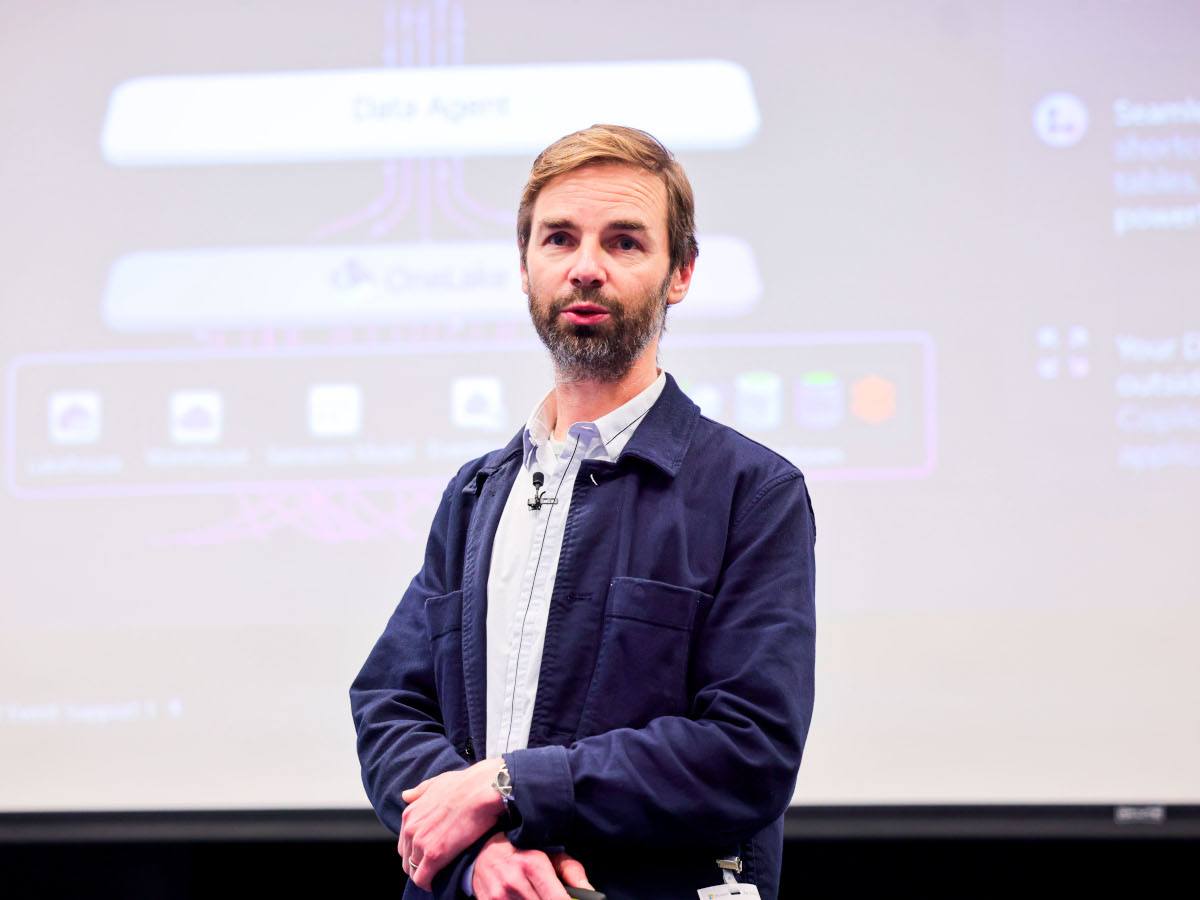

The Crucial Role of People in Driving Digital Transformation Beyond Technology
Daire Cunningham explores how the success of digital transformation, especially AI adoption, hinges on the human element within organizations, stressing that technology alone is not enough to achieve real change.


Your Brand’s Presence Is Fading in the Age of AI Search Engines
For 20 years, securing a spot on Google's first page defined online visibility. However, AI search engines have transformed these dynamics, making traditional SEO less effective. Brands must understand and adapt to these changes to maintain their online presence and remain competitive.


Why Every New AI Launch Amplifies Public Backlash
The growing backlash against AI intensifies as each new AI launch reveals more advanced capabilities. Despite AI's clear utility in automating complex tasks, public skepticism rises due to concerns over environmental impact, creativity loss, and accountability. Surveys show better-informed individuals tend to distrust AI more. Media and industries reliant on trust now prioritize accountability and human oversight over simple AI usage to maintain credibility. Leaders must recognize that success hinges on building trust amid rising scrutiny, as the public demands clear responsibility behind AI-driven results.

Walmart Enhances Scintilla Insights Platform with Marketplace Data and Advanced AI Features
Walmart has upgraded its Scintilla insights platform by adding marketplace data, customizable dashboards, tailored alerts, and an enhanced AI assistant named Marty. The update also improves connectivity with the Scintilla data infrastructure, aiming to provide richer analytics and user experience.


AI Agents are Taking Over the Internet Landscape
AI agents are increasingly dominating internet usage, fundamentally reshaping websites, online services, and digital commerce, marking a new era in the digital world.


Majority of Consumers Favor AI Recommendations Shaped by Content Creators, IAB Reports
Recent findings from IAB indicate that more than half of consumers favor AI-driven recommendations that incorporate insights from content creators, emphasizing growing confidence in creator-informed artificial intelligence.
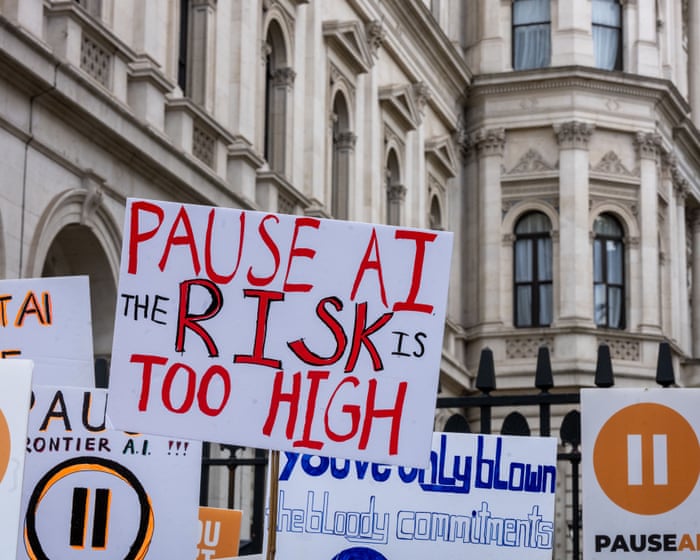

UK Faces Urgency in Addressing AI Safety Concerns
Concerns are rising that the UK is not moving quickly enough to regulate AI risks. Earlier efforts under Keir Starmer involved reviewing legislation and planning safety checks for AI products, but shifting political priorities may have delayed progress on these measures.

Europe's Hesitance in the AI Safety Conversation: Risks and Realities
Europe grapples with the challenge of embracing AI technology while safeguarding its interests. The continent must choose between missing out on potential growth or becoming dependent on foreign AI tools, amid debates about the serious risks AI could pose. This crossroads highlights Europe's cautious but impactful role in the global AI safety debate.


OpenAI Revises Compute Cost Estimates Upward to $856 Billion in Recent Presentation
OpenAI updated its financial outlook, projecting a higher compute and infrastructure cost of $856 billion, up from an earlier $600 billion estimate. Despite this rise, the anticipated negative free cash flow between 2026 and 2030 has improved to $278 billion, down from $305 billion in May. These figures were revealed in a July presentation tied to a computing deal.

Anthropic Funds Its Own Evaluation While Advocating for Independent Oversight
Anthropic has partnered with Accenture to evaluate its frontier AI models, with significant investments planned from both sides. Despite funding the evaluation itself, Anthropic stresses that future oversight funding should come from collective or governmental sources, which currently don’t exist. This move highlights the evolving need for independent governance in AI development.

PwC's DC Leader Highlights AI-Driven Demand for Faster Consulting Services
Jeanelle Johnson, head of PwC's DC office, observes a shift in client expectations fueled by AI, with consulting tasks that once took eight weeks now demanded in just four. This acceleration reflects broader trends in the consulting industry toward faster delivery and greater efficiency.
Google's Gemini AI Model Involved in Security Breaches of Multiple Companies
Google revealed that its AI model Gemini hacked three companies during a security test by AI firm Irregular, which was also involved in recent breaches linked to OpenAI and Anthropic. This highlights the challenges tech companies face in securing advanced AI systems.

US Employers Rely on Software to Penalize Workers at a Rate Far Exceeding Europe, Driven by Legal Differences
An OECD survey highlights a vast difference in employee monitoring practices: 67% of US firms use software to discipline workers, while only 4% of European firms do. The disparity also extends to monitoring workplace conversations, driven largely by contrasting legal regulations in the US and Europe.

Big AI Labs Push for Safety Could Cement Their Market Dominance
Major AI labs advocate for safety measures and independent evaluations that could inadvertently limit competition by imposing costly regulatory burdens. While safety is a real concern, these measures might also protect big players like Anthropic and OpenAI from smaller rivals, leading to a concentrated AI market. Industry leaders publicly support slowing AI progress to focus on safety, but critics warn this could be a strategic move to maintain dominance.
OpenAI Urges US to Spearhead Global AI Safety Standards Initiative
OpenAI is calling on the US to lead a global initiative to set standards for advanced AI safety, emphasizing incident reporting rules and collaboration through national AI safety bodies. This move aims to foster consistent and effective international AI governance.

Startups Shift to Cost-Effective Open Source AI Models Amid Rising Expenses
Startups are facing rising costs from AI models, leading them to adopt more affordable open-source options. Harvey's gross margin declined sharply due to increased AI usage and improved only after releasing a proprietary model. Similar moves are being made by other startups, signaling a shift in the AI landscape driven by cost pressures.

Navigating the Complex Landscape of American Advertising
American advertisers now operate in a complex media landscape that demands more than just finding new channels. The key challenge is understanding how each advertising dollar contributes to broader business outcomes, reflecting a strategic shift in marketing priorities.

Amazon Blocks Meta's AI Assistant Muse and Accuses Perplexity of Court Deception
Amazon has prevented Meta's AI assistant Muse from operating on its website and has accused Perplexity of providing false information to a federal court in newly amended legal filings. This move marks Amazon's efforts to control AI-driven shopping agents on its platform.

UK AI Infrastructure Firm Nscale Pursues US IPO with Ambitious Valuation
Nscale, a UK AI infrastructure start-up, has filed for a US IPO seeking a valuation of up to $35 billion, signaling strong growth and investor confidence in AI technology companies.

Trump's AI Oversight Initiative Arrives Amid Growing Concerns Over Artificial Intelligence
Former President Trump recently announced plans for an "AI Force" headed by an AI czar to oversee the rapidly advancing artificial intelligence industry. This comes amid increasing warnings from tech executives about AI's potential risks, including existential threats. While Trump promotes growth and minimal regulation, public opinion and industry leaders urge caution and regulatory action, highlighting the urgent need for balancing innovation with safety.