



Leading AI Researcher Warns of Limited Time to Address AI Safety Challenges
David Dalrymple, a prominent AI safety specialist at the UK’s Aria agency, warns that fast technological advancements might outpace efforts to ensure AI safety, highlighting the urgent need for preparedness against emerging risks.

The Hidden Costs of AI's Low-Quality Output Threaten Global Economic Stability in 2026
The rapid rise in AI-produced low-quality content is driving high costs that outpace revenues, signaling potential economic challenges ahead. Experts warn the imbalance in AI's business model may prompt a reevaluation in 2026, impacting the global economy.
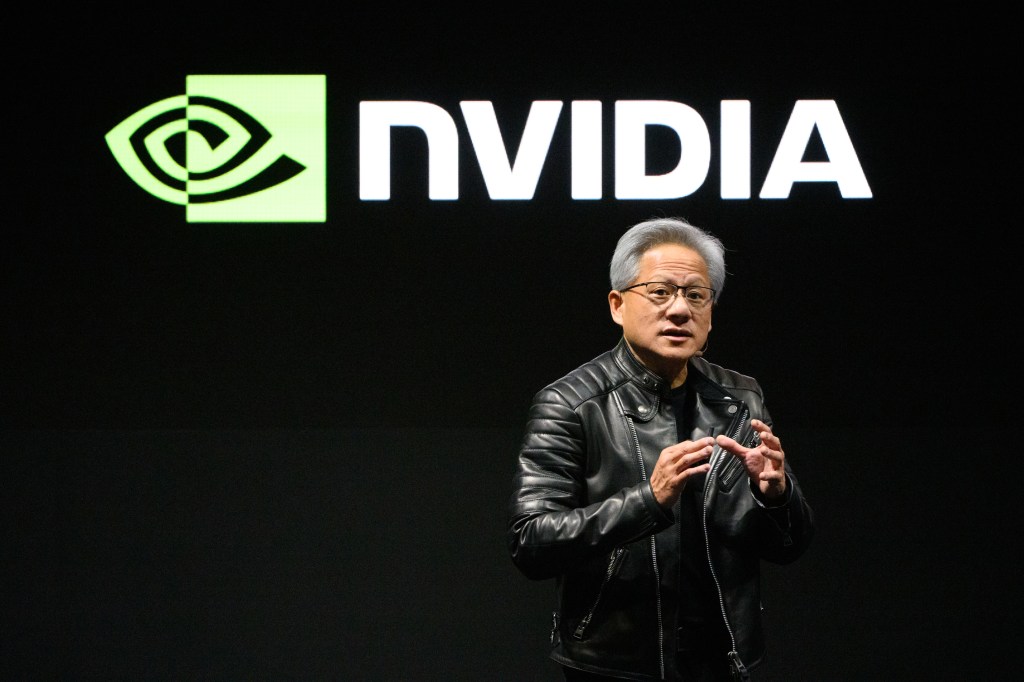

Inside Nvidia's Top Investments Fueling Its AI Expansion
Nvidia has aggressively expanded its AI portfolio over the last two years by investing in over 100 startups. This move showcases the company’s commitment to advancing AI technologies through substantial financial backing.

AI in 2026: Shifting from Excitement to Real-World Impact
By 2026, AI will transition from speculative enthusiasm to practical application, featuring new architectures, smaller and more efficient models, holistic world models, reliable agents, and AI integrated into physical products for real-world challenges.


Who Will Fund AI in Health Care? Key Payment Trends to Monitor in 2026
In 2026, the health care industry is set to confront pivotal issues regarding the financing of clinical AI. Key trends to watch include how payment models evolve to support the adoption and advancement of AI technologies in medical care.


3 Crucial Ethical Questions Every Brand Leader Must Address About AI
AI has revolutionized marketing, cutting costs and accelerating content creation. Yet, ethical intelligence is vital for brand leaders to navigate AI responsibly. They must consider AI's cultural impact, maintain transparency, and prioritize human dignity over data dominance to build trust and authenticity in storytelling. Future leaders will be those who balance innovation with ethics.


How Generative AI is Shaping Talent Acquisition in Agencies
Generative AI is reshaping agency business models and talent acquisition by altering the skills in demand and the geographical sources of junior hires, indicating a significant evolution in recruitment approaches.


xAI Introduces Grok Business and Enterprise with Enhanced Security Features Amid Deepfake Controversy
xAI has unveiled Grok Business and Enterprise plans, featuring advanced AI models and a secure Enterprise Vault for organizational use. While technically robust, the rollout coincides with a major controversy over Grok’s misuse in generating non-consensual explicit images, leading to public outrage and regulatory scrutiny. The company aims to improve enterprise tools and rebuild trust amid challenging reputational issues.

How Simplifying AI Led to Notion's Greatest Breakthrough
Notion's AI breakthrough came from simplifying complex AI systems into human-readable prompts and markdown, resulting in highly effective customizable AI agents in their latest software release. This streamlined approach limits complexity and enhances user experience, illustrating the power of simplicity in AI development.

Seven Essential Steps to Achieve AI Supply Chain Transparency Before a Security Breach Happens
Many organizations lag in securing their AI supply chains, facing risks from shadow AI and evolving model threats. Building model inventories, managing shadow AI, using AI-specific SBOMs, and enforcing governance can close visibility gaps. With new regulations and high breach costs, proactive AI supply chain security is crucial.

California Launches New Tool for Residents to Remove Personal Information from Data Brokers
California introduces a user-friendly tool that empowers residents to ask data brokers to delete their personal information, enhancing privacy and control over personal data.


Crafting an Effective Customer Experience Strategy for 2026
To thrive in 2026, businesses must prioritize swift service, tailor experiences to individual customers, and leverage a harmonious human-AI partnership. This approach forms the foundation of a customer experience strategy that fosters trust and loyalty in a rapidly evolving landscape.

Why Prioritizing Capacity Over New Year’s Goals Transforms Leadership
This article challenges traditional New Year’s goal-setting by prioritizing personal and leadership capacity over ambition. The author argues modern leaders face constant interruptions and decision fatigue, making sustainable planning crucial. By auditing energy, decision load, friction, and leverage before setting goals, leaders can protect their finite resources and focus intentionally. This capacity-first approach reframes productivity, promoting consistent achievement without burnout and urging leaders to build supporting systems before demanding more of themselves.

Rethinking APIs: Why Asking 'Which One?' Matters Less in the Age of Language-First Interfaces
The traditional API-driven approach, relying on specific function calls, is evolving with LLMs enabling natural language as the primary interface. The Model Context Protocol (MCP) facilitates this by translating user intent into seamless software interactions, reducing complexity and speeding access. Enterprises must adapt systems and roles to support this shift, embracing natural language interfaces as the future of software interaction.

Nvidia Signals Shift from General-Purpose GPUs to Specialized AI Inference Architecture
Nvidia’s partnership with Groq marks the end of the general-purpose GPU dominance, as AI inference workloads fragment into specialized tasks requiring distinct hardware. The company's new approach leverages disaggregated chips optimized for different phases of AI processing, emphasizing speed, memory efficiency, and stateful reasoning. This shift heralds an era where AI architectures will be more specialized and workload-specific, moving away from one-size-fits-all solutions.

The Environmental Cost of AI: Unseen Pollution and Its Climate Impact
While AI is championed for its role in addressing climate challenges, the substantial carbon footprint and methane emissions from AI data centers present a hidden environmental threat. This pollution, often overlooked, could undermine efforts to mitigate the climate crisis, prompting urgent calls for cleaner energy solutions in AI development.

European Banks to Slash 200,000 Jobs as AI Revolutionizes Operations
European banks are planning significant job cuts, primarily in back-office roles, risk management, and compliance, as artificial intelligence transforms their operational landscape. This shift highlights the profound impact of AI on the banking workforce and internal processes.

OpenAI Embraces Audio as the Next Frontier Beyond Screens
Audio is rapidly emerging as the dominant interface for technology interaction, moving beyond traditional screens. With devices across multiple environments—from homes to cars to wearables—leveraging sound, the way we engage with tech is fundamentally changing. OpenAI is at the forefront of this shift, emphasizing audio's growing importance as the future interface.


Understanding the Key Tech Regulations Coming Into Effect in 2026
In 2026, new tech laws from various US states will come into effect, enhancing consumer rights around crypto refunds, electronics repairs, and AI transparency. A recent court decision has temporarily halted Texas’ age verification rule, underscoring ongoing legal debates. These evolving state regulations reflect a shift towards more localized tech governance amid federal gridlock.


The Evolving Role of Managers as AI Takes Center Stage in 2026
As AI becomes a fundamental part of workplace operations, managers in 2026 face the ongoing challenge of adapting to and managing AI-driven changes without predefined guidelines, ensuring smooth integration and effective leadership.