



Inside the $2.3 Billion Health Startup Led by Dr. Oliver Kharraz: Why Walmart and IBM Struggled With Healthcare
Dr. Oliver Kharraz, leading a $2.3 billion health startup, discusses why healthcare remains a tough landscape for giants such as Walmart and IBM. He emphasizes that healthcare's intricate and specialized nature demands a deep understanding beyond corporate experience, explaining why many big companies falter despite their resources.


Warren Buffett Retires at 96: Key Leadership Insights from Berkshire Hathaway
Warren Buffett, the iconic leader of Berkshire Hathaway, has stepped down at the age of 96. His leadership journey underscores an essential lesson: true leadership is about building successors, not just businesses. This insight reflects the profound legacy Buffett leaves behind, emphasizing the importance of mentorship and thoughtful succession planning in long-lasting leadership.
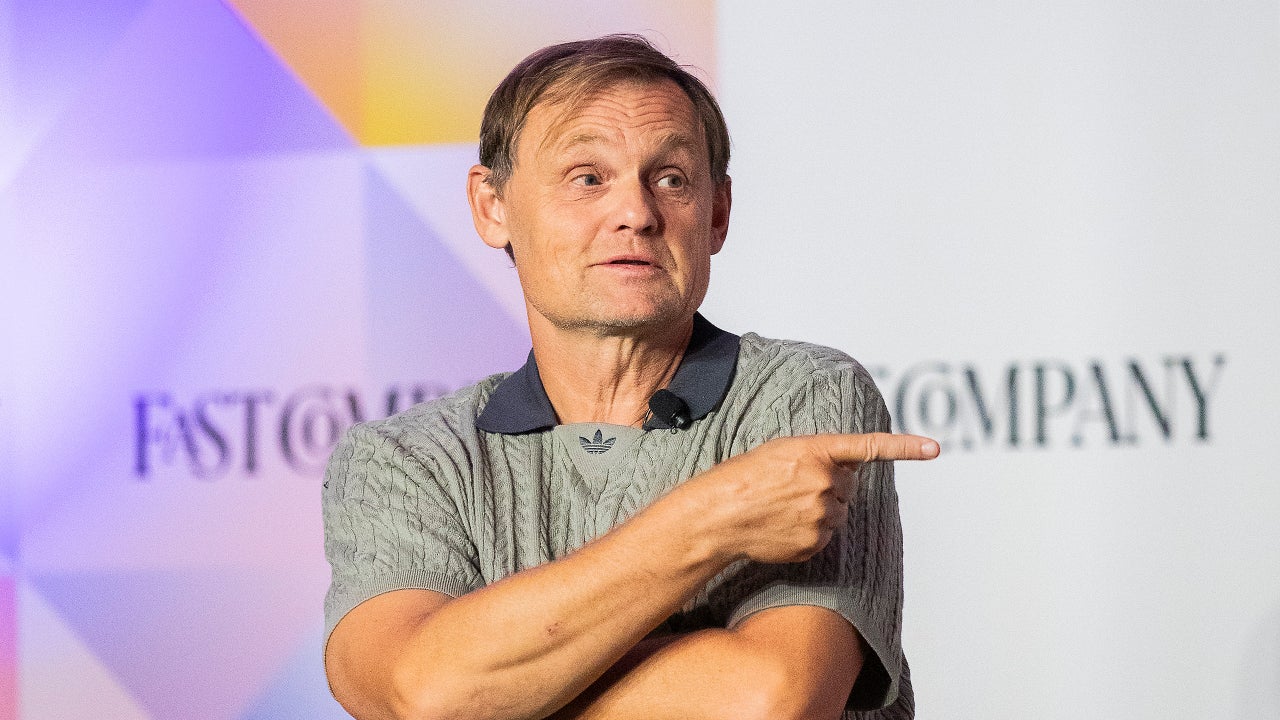

How Adidas CEO Bjørn Gulden's Bold Approach Revitalized the Brand
Adidas CEO Bjørn Gulden credits the company’s turnaround to removing obstructive layers of management and empowering creative, energetic employees. Since taking charge in 2023 amid challenges like the fallout from the Yeezy partnership and market setbacks, Gulden streamlined operations, emphasized innovation, and fostered a culture of swift decision-making. This strategy restored Adidas’s growth, profitability, and market presence, highlighted by recent athletic achievements.

Why Every New AI Launch Amplifies Public Backlash
The growing backlash against AI intensifies as each new AI launch reveals more advanced capabilities. Despite AI's clear utility in automating complex tasks, public skepticism rises due to concerns over environmental impact, creativity loss, and accountability. Surveys show better-informed individuals tend to distrust AI more. Media and industries reliant on trust now prioritize accountability and human oversight over simple AI usage to maintain credibility. Leaders must recognize that success hinges on building trust amid rising scrutiny, as the public demands clear responsibility behind AI-driven results.


Walmart Enhances Scintilla Insights Platform with Marketplace Data and Advanced AI Features
Walmart has upgraded its Scintilla insights platform by adding marketplace data, customizable dashboards, tailored alerts, and an enhanced AI assistant named Marty. The update also improves connectivity with the Scintilla data infrastructure, aiming to provide richer analytics and user experience.


PwC's DC Leader Highlights AI-Driven Demand for Faster Consulting Services
Jeanelle Johnson, head of PwC's DC office, observes a shift in client expectations fueled by AI, with consulting tasks that once took eight weeks now demanded in just four. This acceleration reflects broader trends in the consulting industry toward faster delivery and greater efficiency.


US Employers Rely on Software to Penalize Workers at a Rate Far Exceeding Europe, Driven by Legal Differences
An OECD survey highlights a vast difference in employee monitoring practices: 67% of US firms use software to discipline workers, while only 4% of European firms do. The disparity also extends to monitoring workplace conversations, driven largely by contrasting legal regulations in the US and Europe.

Big AI Labs Push for Safety Could Cement Their Market Dominance
Major AI labs advocate for safety measures and independent evaluations that could inadvertently limit competition by imposing costly regulatory burdens. While safety is a real concern, these measures might also protect big players like Anthropic and OpenAI from smaller rivals, leading to a concentrated AI market. Industry leaders publicly support slowing AI progress to focus on safety, but critics warn this could be a strategic move to maintain dominance.

Startups Shift to Cost-Effective Open Source AI Models Amid Rising Expenses
Startups are facing rising costs from AI models, leading them to adopt more affordable open-source options. Harvey's gross margin declined sharply due to increased AI usage and improved only after releasing a proprietary model. Similar moves are being made by other startups, signaling a shift in the AI landscape driven by cost pressures.

Navigating the Complex Landscape of American Advertising
American advertisers now operate in a complex media landscape that demands more than just finding new channels. The key challenge is understanding how each advertising dollar contributes to broader business outcomes, reflecting a strategic shift in marketing priorities.

Amazon Blocks Meta's AI Assistant Muse and Accuses Perplexity of Court Deception
Amazon has prevented Meta's AI assistant Muse from operating on its website and has accused Perplexity of providing false information to a federal court in newly amended legal filings. This move marks Amazon's efforts to control AI-driven shopping agents on its platform.


UK AI Infrastructure Firm Nscale Pursues US IPO with Ambitious Valuation
Nscale, a UK AI infrastructure start-up, has filed for a US IPO seeking a valuation of up to $35 billion, signaling strong growth and investor confidence in AI technology companies.

Trump's AI Oversight Initiative Arrives Amid Growing Concerns Over Artificial Intelligence
Former President Trump recently announced plans for an "AI Force" headed by an AI czar to oversee the rapidly advancing artificial intelligence industry. This comes amid increasing warnings from tech executives about AI's potential risks, including existential threats. While Trump promotes growth and minimal regulation, public opinion and industry leaders urge caution and regulatory action, highlighting the urgent need for balancing innovation with safety.

Mastering AI Integration: Why Becoming AI-Native Is a Journey, Not a Quick Win
A recent report shows that despite AI's potential, only a small fraction of companies gain real value from it. Success depends on structured AI adoption, broad employee engagement, data readiness, and focusing on measurable business outcomes. Leading firms prove that thoughtful AI integration boosts growth, efficiency, and resilience.


Gaming Boom: Why Ad Spend Isn’t Keeping Pace with Player Growth
During the IAB PlayFronts, industry leaders discussed future directions for gaming amid rapid growth, highlighting the gap between the rise in gamers and current advertising investments.

Hackers Demand $3 Million Ransom from Revolut in Data Breach Incident
Revolut faces a serious data breach as hackers demand a $3 million ransom, threatening to sell stolen data if their terms aren't met within 24 hours. This event underscores the rising cybersecurity risks in the fintech sector.

Revolut Commits $182 Million to Expand Its Presence in Switzerland
Revolut plans to invest $182 million in Switzerland within the next five years, marking a major step in its global growth efforts. The fintech aims to solidify its presence and expand services in the Swiss market as part of its international expansion strategy.

Essential Q4 Strategy Adjustments for CEOs to Avoid Next Year's Pitfalls
This practical guide offers CEOs a clear framework to recalibrate their strategies in Q4, ensuring they address ongoing issues effectively and avoid repeating the same mistakes in the upcoming year.

Nike Taps Luxury Industry Veteran Alexandre Arnault for Board as Part of Strategic Shift
Nike recently appointed Alexandre Arnault, a luxury market veteran from LVMH and Tiffany, to its board. This signals a deliberate strategy to infuse luxury industry knowledge into Nike’s business, supporting its broader comeback and innovation plans.

Marketing Success Hinges on Direct Contribution to Sales Results
Marketers who explicitly connect their campaigns to sales and revenue are the ones who maintain their budgets during financially constrained times, showcasing the importance of aligning marketing efforts with measurable business outcomes.