


White House Takes Control Over Access to Cutting-Edge AI Models
The Trump administration now regulates access to leading AI models from Anthropic and OpenAI, a role previously held by the AI labs themselves. This shift marks a significant change in how AI technology deployment is governed in the U.S.

Nebius Secures $775 Million Through GPU-Backed Debt Facility with $40 Billion in Contracts to Leverage
Nebius raised $775 million through a secured debt facility that uses its GPU assets and investment-grade customer contracts as collateral. The loan matures in 2030 with a competitive interest rate, fully covered by contract cash flows. Nebius has $40 billion more contracts ready for future securitization, positioning it for substantial financial growth.

World Cup Sparks Surge in Cybercrime: Over 800,000 Accounts Released in a Single Day
Cybercriminals have released more than 800,000 stolen streaming accounts in one day during the World Cup group stage, according to HUMAN Security’s Satori Threat Intelligence team. More than 12 million compromised accounts across 10 streaming services are circulating on the dark web, representing close to $220 million in black-market sales. This surge highlights the growing risks to digital content security during major sporting events.


Why More Efficient Hiring Processes Are Leaving Candidates Overlooked—and What Companies Can Do
The increasing efficiency in hiring processes is causing candidates to feel invisible, not because of automated resume rejections, but due to overlooked human factors in recruitment. Employers have full control to fix this growing problem by adopting more considerate hiring practices.

The Efficiency Trap Slowing Down Fast-Growing Companies — and How to Escape It
Rapid growth encourages companies to chase cost efficiency, but excessive focus on cutting costs can strain teams and hinder sustained success. Balancing growth with team well-being is crucial for long-term performance.

Apple Engages in Preliminary Settlement Talks with DOJ Over iPhone Antitrust Lawsuit
Apple and the U.S. Department of Justice are in early settlement talks concerning a 2024 antitrust lawsuit related to Apple's iPhone ecosystem. Apple has made several offers to settle the dispute, though no agreement has been confirmed. These discussions indicate active negotiation but with uncertain outcomes.

Anthropic Initiates Talks with Meta for $10 Billion Compute Lease
Anthropic is negotiating a $10 billion deal with Meta to lease computing power, following a significant contract with SpaceX for Nvidia GPUs. These talks signal escalating resource needs in AI development.

Jamie Dimon Puts AI Job Fears into Perspective
Jamie Dimon, CEO of the largest U.S. bank, addresses concerns about AI's impact on employment. He suggests that fears of job displacement overlook the bigger picture of how AI can transform work and create new opportunities rather than just eliminate jobs.

The Energy Impact of AI: What Every Business Must Understand
The rapid growth of AI technology is creating intense demand for electricity, water, and real estate, posing significant challenges to current global infrastructure. Businesses must understand the energy implications of AI to navigate this emerging crisis effectively.

Security Measures Escalate as AI Leaders Face Rising Threats
Following a firebombing at AI executive Sam Altman's home and a subsequent security breach at Anthropic, threats against AI leaders are increasing. As a result, technology giants are intensifying security protocols to protect their key personnel from such dangers.


Gender Perceptions in Executive Leadership: A Divided View of the Workplace
Surveys over 60 years reveal persistent gender gaps in executive leadership perceptions. Women experience greater scrutiny, unequal promotion criteria, and tougher career climbs than men. Despite progress, underrepresentation and higher burnout remain significant challenges in senior corporate roles.
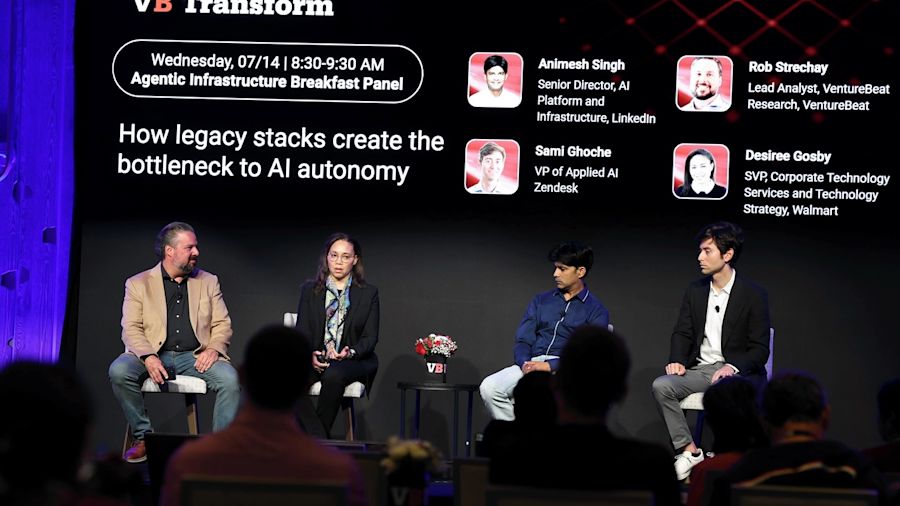

Bridging the Speed Gap: How LinkedIn, Walmart, and Zendesk Overcame Legacy Infrastructure Challenges to Accelerate AI Agents
At VB Transform 2026, leaders from LinkedIn, Walmart, and Zendesk revealed that legacy infrastructure—not AI models—is the main hurdle slowing AI agents. They shared strategies for modernizing workflows, managing data, and maintaining flexibility to keep pace with agent speeds, emphasizing early evaluation, employee empowerment, and owning adaptable infrastructure.


Netflix Highlights Trade-Off Between Live Event Ads and Viewer Engagement
Netflix is focusing on live events during upfront talks, which can boost ad revenue and fan engagement but usually results in fewer overall viewing hours, highlighting a balance between advertising benefits and audience retention.
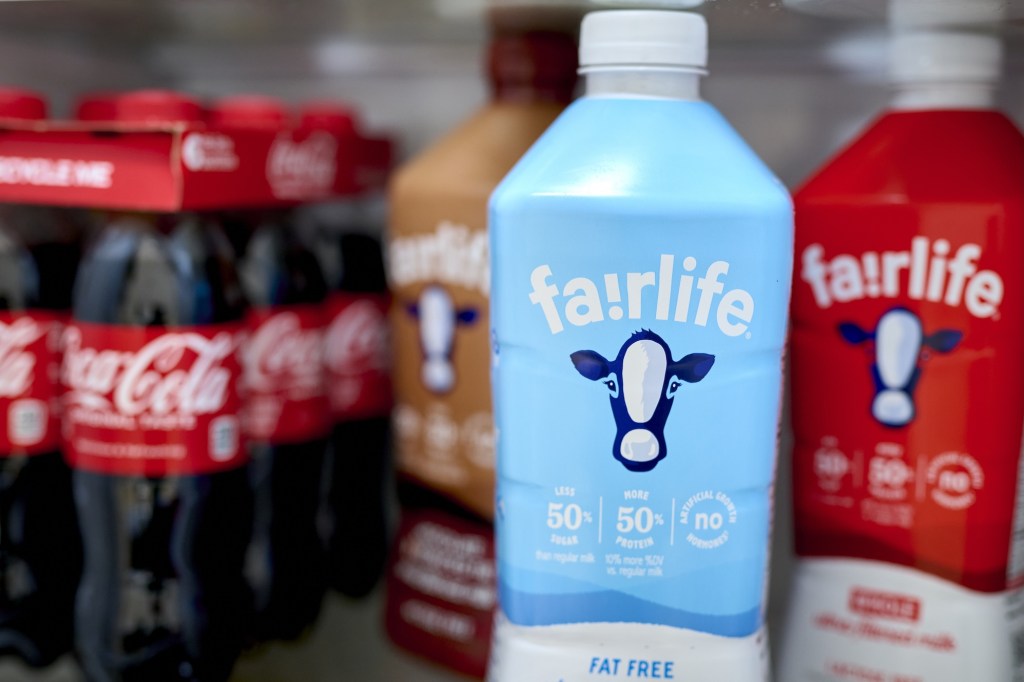

Coca-Cola Halts Fairlife Dairy Operations in U.S. After Cyberattack
Coca-Cola has paused production at its Fairlife dairy plant in the U.S. after experiencing a ransomware attack. This suspension will remain in effect as the company manages the fallout from the cyber incident, ensuring system security before restarting.

BP Closes Its Venture Capital Arm After Two Decades
BP Ventures, BP's venture capital division, is shutting down after almost 20 years due to underwhelming financial performance. This marks the end of BP's direct investment efforts through this arm.

Uber to Acquire Delivery Hero in $14.8 Billion Deal, Doubling Its Global Reach
Uber plans to acquire Delivery Hero in a $14.8 billion all-stock deal, aiming to nearly double its worldwide reach and create a top-tier food delivery platform beyond China.
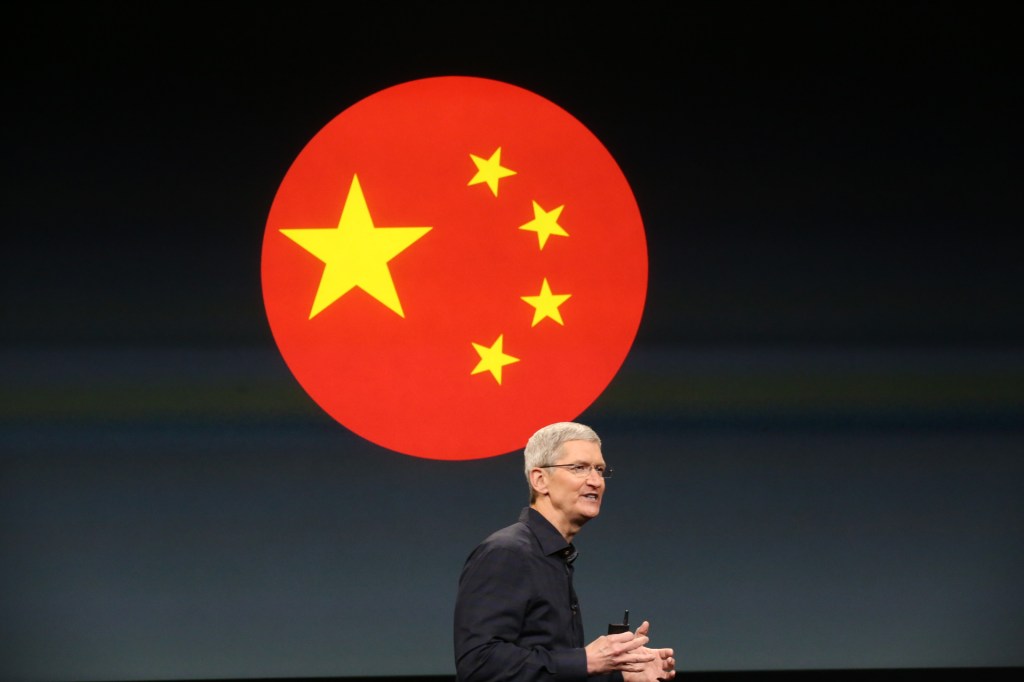
Apple's AI Technology Receives Green Light for Collaboration with Alibaba and Baidu in China
Apple's AI technology is set to launch in China through partnerships with Alibaba and Baidu, marking a crucial advancement in Apple's AI strategy within a vital market segment.

Verizon to Cut 3,000 Retail Jobs, Shift Stores to Franchise Model Amid AI Integration
Verizon is cutting 3,000 jobs in its corporate retail stores and shifting 274 locations to franchises as AI transforms customer service operations. This restructuring will leave the company with 1,000 stores under direct ownership and 5,000 operated by independent franchises, marking a significant shift in its retail strategy.

Hyundai to Acquire Full Control of Boston Dynamics
Hyundai is set to take full ownership of Boston Dynamics and intends to deploy the company's Atlas humanoid robots in its US factories, enhancing automation in its manufacturing processes.

Stripe Proposes $53 Billion Acquisition of PayPal: Impact on the Payments Industry
Stripe's potential $53 billion purchase of PayPal would unite two payment giants, creating a powerhouse processing $3.7 trillion yearly, reshaping the global online payments landscape.