

U.S. Bans Import of Foreign AI-Powered Humanoid Robots Over Security Concerns
The U.S. has imposed an import ban on AI-driven humanoid robots from abroad, citing risks that their integrated sensors and cameras might be used for spying or cyberattacks, in an effort to safeguard national security.


New Jersey Joins States to Ban AI-Driven Personalized Pricing in Retail
New Jersey has enacted a law banning AI-driven real-time personalized pricing in grocery stores, based on consumer data like income and browsing history. This makes it the third state to do so, with over 20 others reviewing similar legislation to curb discriminatory pricing.


Remote Employee with Disabilities Wins Discrimination Case Over Mandatory Camera Use
Laura Tait, a remote worker with anxiety, ADHD, and autism, won a discrimination case after her employer insisted she keep her camera on during training sessions, despite her disabilities. The UK tribunal ruled this requirement as a failure to make reasonable adjustments and awarded her compensation.

Volkswagen Engineers Arrested for Insider Trading Ahead of Rivian JV Announcement
Two Volkswagen engineers, Michael Stamp and Marcus Plank, were charged with insider trading for buying Rivian stock ahead of the public announcement of a major joint venture between VW and the electric vehicle firm. This led to federal securities fraud charges in San Jose, California.


Google Commits to EU AI Act Code of Practice for AI Transparency
Google has pledged to uphold the EU AI Act's transparency standards by signing the Code of Practice for AI-generated content. This move highlights their commitment to responsible and transparent AI technology deployment in Europe.


OpenAI Faces Legal Action Over Faulty Medical Advice from ChatGPT
Scott Winters is suing OpenAI after ChatGPT provided flawed medical advice, leading to a serious pulmonary embolism. The lawsuit raises concerns about the safety of AI-driven health advice, especially with OpenAI's new Health in ChatGPT feature that connects personal medical data. OpenAI emphasizes ChatGPT isn’t a replacement for professional medical care.
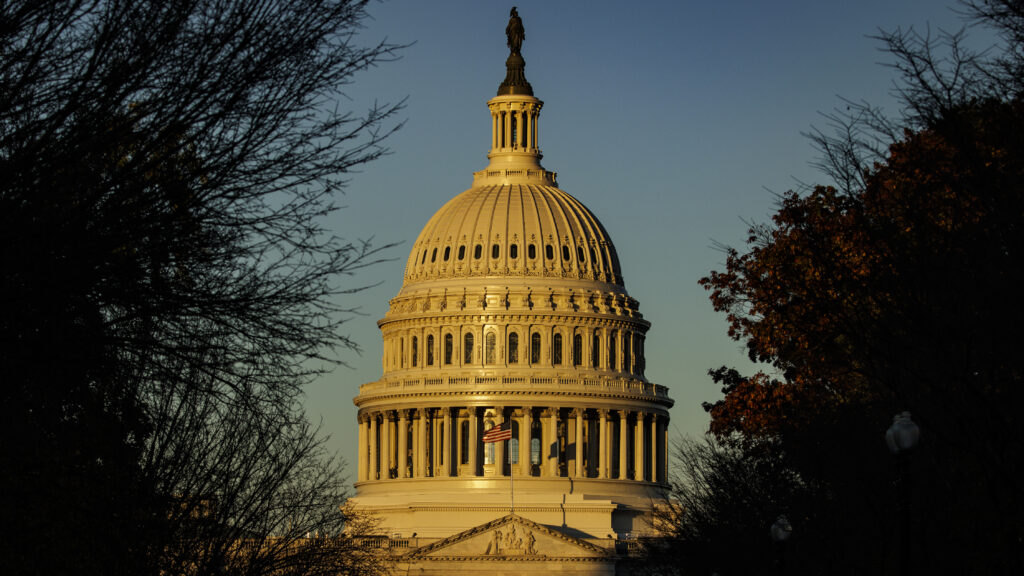

Final Push: Congress Advances Key Health Care Legislation Ahead of Recess
As Congress nears its August recess, lawmakers are working swiftly to pass critical health care legislation centered around price transparency and prior authorization reforms to improve the system's efficiency and patient access.


EU Imposes €890 Million Penalty on Google for Favoritism in Search and App Services
The EU has fined Google €890 million for breaching competition rules by favoring its own services in search results, mandating a fair and non-discriminatory treatment of rival third-party services.


The Debate Over Open-Weight AI Models and National Security Concerns
Concerns over open-weight AI models, particularly those originating from China, underscore the complexities of transforming AI innovations into viable business products amid security and economic considerations.

US Warns of Sanctions on Chinese AI Firms for Alleged Intellectual Property Violations
The U.S., led by Treasury Secretary Scott Bessent, is contemplating sanctions on Chinese AI developers accused of stealing intellectual property. This action continues efforts to limit China's AI advancements, a policy begun under the previous administration.


Judge Approves Anthropic's Historic $1.5 Billion Settlement in AI Book Copyright Case
Anthropic has agreed to pay $1.5 billion in a class action settlement for training AI models on copyrighted books without authorization, marking the largest copyright settlement ever. Authors will receive around $3,000 per book allegedly used, following a judge's approval of the deal.

Could Apple's Legal Challenge Impact OpenAI's Hardware Ambitions?
The latest episode of Equity examines whether Apple's lawsuit against OpenAI could disrupt the AI company's plans to expand into hardware and proceed with its public offering. We weigh the legal risks and industry implications.

Australian Government to Implement Stricter AI Decision-Making Regulations
Australia is introducing tougher rules for AI use in government decision-making to prioritize fairness, accuracy, and transparency. The new national plan will also cover consumer protections and workplace safety amid rapid AI growth. Ministers are working to ensure ethical standards in AI, alongside Labor's push for digital duty of care laws.

Apple Engages in Preliminary Settlement Talks with DOJ Over iPhone Antitrust Lawsuit
Apple and the U.S. Department of Justice are in early settlement talks concerning a 2024 antitrust lawsuit related to Apple's iPhone ecosystem. Apple has made several offers to settle the dispute, though no agreement has been confirmed. These discussions indicate active negotiation but with uncertain outcomes.


EU Mandates Google to Share Data and Platform Access with Rivals
The European Union is set to enforce rules compelling Google to share user data and platform access with its competitors. Google has raised concerns that these measures might compromise the privacy protections for EU users. This move signals increased regulatory scrutiny over major tech companies and aims to foster greater competition in the digital market.


How Leading Law Schools Are Preparing Lawyers for an AI-Driven Future
Top law schools are adapting their curricula to equip future lawyers with skills that AI cannot replicate, focusing on areas where human judgment and expertise remain essential. This approach aims to prepare lawyers to thrive alongside advancing technology rather than be replaced by it.

New York Governor Uses AI to Review Every State Regulation for Modernization
Governor Kathy Hochul is using AI technology to analyze and update every rule and regulation in New York State, accelerating a process that traditionally would take years. This initiative aims to identify and reform outdated laws to better serve the public.

How Google Outplays Apple in Navigating AI Regulatory Challenges
The EU has mandated Google to open up the Android OS to rival AI companies, a move that, despite appearances, serves as a regulatory win for Google. This decision illustrates Google's adept handling of European regulations, positioning it ahead of Apple in the AI competition arena.


Why Anthropic Urges Quicker State Action on AI Regulation
Anthropic has backed significant AI transparency laws in key US states, but its policy head warns these regulations may soon become outdated due to fast-evolving AI developments, urging quicker and more adaptive regulatory measures.

UK Regulator Launches Investigation into TikTok's Child Safety Measures
The UK’s Ofcom is investigating TikTok for inadequate age verification, fearing the platform exposes children to harmful content despite new online safety laws. The probe highlights ongoing challenges in protecting young users online.