



Rethinking Design Thinking: Embracing Responsibility for Ethical Innovation
Recent legal rulings spotlight how design thinking, a user-centered innovation method, can unintentionally cause harm by missing ethical risks. Research with industry leaders reveals four main pitfalls: ignoring environmental impact, overlooking non-primary users, rushing development, and underestimating scaling dangers. To mitigate these, leadership must embed clear purpose, broaden stakeholder inclusion, create safe environments for ethical concerns, and rigorously test for harms before scaling. Ethical innovation is not just a choice but a necessity to avoid legal and reputational damage in today’s complex product landscape.


Coders Lose Copyright Battle Against GitHub Copilot and Codex Under DMCA
In Doe v GitHub, a federal appeals court rejected claims from programmers that GitHub's AI tools, Copilot and Codex, violated the DMCA. The ruling reinforces the distinction between copyright infringement and DMCA claims amid rising legal scrutiny over AI and open-source code use.


California Governor Proposes AI Safety Measures Including Potential Kill Switch
California Governor Gavin Newsom is advancing AI safety by directing an expert group to recommend new oversight measures, including independent audits and a potential "kill switch" for cutting-edge AI systems, aiming to position the state as a leader in AI regulation.
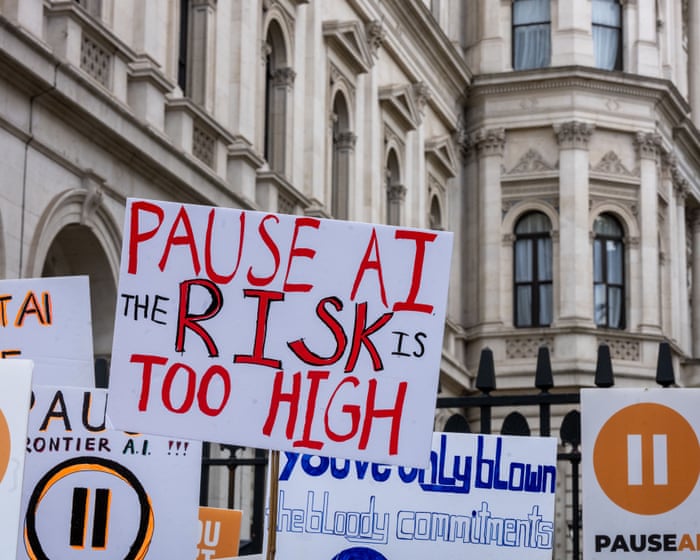

UK Faces Urgency in Addressing AI Safety Concerns
Concerns are rising that the UK is not moving quickly enough to regulate AI risks. Earlier efforts under Keir Starmer involved reviewing legislation and planning safety checks for AI products, but shifting political priorities may have delayed progress on these measures.

US Employers Rely on Software to Penalize Workers at a Rate Far Exceeding Europe, Driven by Legal Differences
An OECD survey highlights a vast difference in employee monitoring practices: 67% of US firms use software to discipline workers, while only 4% of European firms do. The disparity also extends to monitoring workplace conversations, driven largely by contrasting legal regulations in the US and Europe.

Amazon Blocks Meta's AI Assistant Muse and Accuses Perplexity of Court Deception
Amazon has prevented Meta's AI assistant Muse from operating on its website and has accused Perplexity of providing false information to a federal court in newly amended legal filings. This move marks Amazon's efforts to control AI-driven shopping agents on its platform.
Irish Regulator Slaps Google with Over €400M Fine for Location Data Handling
Google has been fined over €400m by Ireland’s Data Protection Commission for allegedly misleading users into constant location tracking for ad targeting and interest inference, following complaints from European consumer groups about privacy violations.


Microsoft Executive Labels AI Data Scraping as Biggest Labor Theft in History, New Filings Show
Court filings expose Microsoft's internal condemnation of OpenAI's data scraping methods, describing them as a major labor theft. Both companies accessed paywalled content to build datasets, raising fears over the negative impact on publishers.
Advanced AI Society Partners with Linux Foundation to Launch Open Verification Ecosystem amid Congressional Agent Security Initiatives
The Advanced AI Society teamed up with the Linux Foundation to introduce an open verification ecosystem for AI agents, aligning with new bipartisan Congressional demands for verified agent controls. They released Proof-of-Control v1.0 for public feedback and hosted a major event focusing on machine oversight and security, highlighting a push towards trusted and transparent AI systems.

Microsoft AI CEO Mustafa Suleyman Discusses Real AI Threats and Critiques Anthropic's Approach
Mustafa Suleyman, Microsoft AI's CEO, discusses real AI safety challenges and critiques Anthropic's philosophy on AI consciousness, highlighting risks to alignment efforts. He calls for combined containment and alignment strategies, practical governance standards, and industry-wide cooperation to ensure AI serves humanity safely. Suleyman stresses the importance of measured progress and transparent, evidence-based debate amid fears of an AI arms race, while emphasizing AI's potential benefits, especially in healthcare.


OpenAI Targets AmLaw 200 with Astra to Compete Against Anthropic in Legal AI
OpenAI launches Astra for Law targeting top-tier AmLaw 200 firms with advanced AI tools, intensifying competition with Anthropic in the legal tech space.

Meta Mandated to Remove UK Deepfake Videos Following Oversight Board Critique of Insufficient Safeguards
Meta has been ordered by its oversight board to remove deepfake videos of a UK politician and a Muslim campaigner from Facebook, following criticism that the platform's safeguards against AI-generated misinformation are inadequate. The decision underscores the need for enhanced measures to combat synthetic media and protect individuals from false representations online.

Albanese Government Mulls Landmark Ban on Smart Glasses in Public Workspaces
The Albanese government considers a groundbreaking ban on smart glasses in public offices due to privacy and security issues. Instead of banning imports, it urges workplaces to set their own policies, following a broader trend by councils to limit these devices in public areas.

Montana Empowers Venture Capitalists with New Experimental Drug Law
Montana's new law grants venture capitalists greater control over experimental drug access, reflecting libertarian biotech investment ideals and pushing forward innovation in healthcare treatments.

Key Challenges in AI Security Highlighted by OWASP and New Regulations
OWASP's updated 2026 Top 10 for large language model security has reprioritized risks, placing excessive agency higher and improper output handling lower, based on incident data. Europe's Cyber Resilience Act now requires prompt vulnerability reporting, focusing on products rather than agent deployment, emphasizing ongoing AI security challenges.


EU Proposes Ban on Social Media Use for Children Under 13
The EU's new Kids Act aims to prohibit social media use for children under 13 to reduce Big Tech's impact. Difficulties with age checks, parental oversight, and privacy concerns could hinder its enforcement.
Texas Court Rules TikTok Misled Parents on Child Safety
A Texas judge found TikTok liable for misleading parents about the safety of its app for children, stating the company knowingly provided false assurances. The ruling was made by District Judge Cory Liu via summary judgment, highlighting serious concerns about TikTok's safety claims.

IDScan Reports Major Data Breach Exposing Over 150 Million Driver's Licenses
IDScan, an identity verification firm, suffered a major breach exposing personal information of over 150 million individuals. The leaked data includes full names, driver's licenses, and other government-issued IDs, raising serious privacy and security concerns.


U.K. Proposes New AI Regulations for Medical Sector
The U.K. has introduced recommendations to govern artificial intelligence in medicine, focusing on safety and effective implementation. The proposed guidelines aim to provide a clear regulatory framework to support responsible AI use in healthcare.


Google Escapes Another Breakup, Faces Crucial Test with Ad Tech Solutions
Google has avoided another breakup following a lengthy antitrust trial. The focus now shifts to the upcoming changes in Google's GAM over the next month, testing the effectiveness of new ad tech remedies.