



UK puts £100m into AI biosecurity lab backed by OpenAI and Anthropic
The UK will invest £100m in an AI Biosecurity Lab, with OpenAI and Anthropic adding up to £200m in compute and model credits. The move aims to detect biological threats and speed up vaccine work. Regulated firms should watch for new standards in AI-driven drug development.


Microsoft’s AI system beats doctors on complex diagnoses, study finds
Microsoft’s AI diagnosed complex medical cases correctly 83% of the time, more than twice as often as generalist doctors, according to Science. For pharma and healthcare leaders, this points to rising AI capability in clinical decision support. Watch for real-world trials in US hospitals.
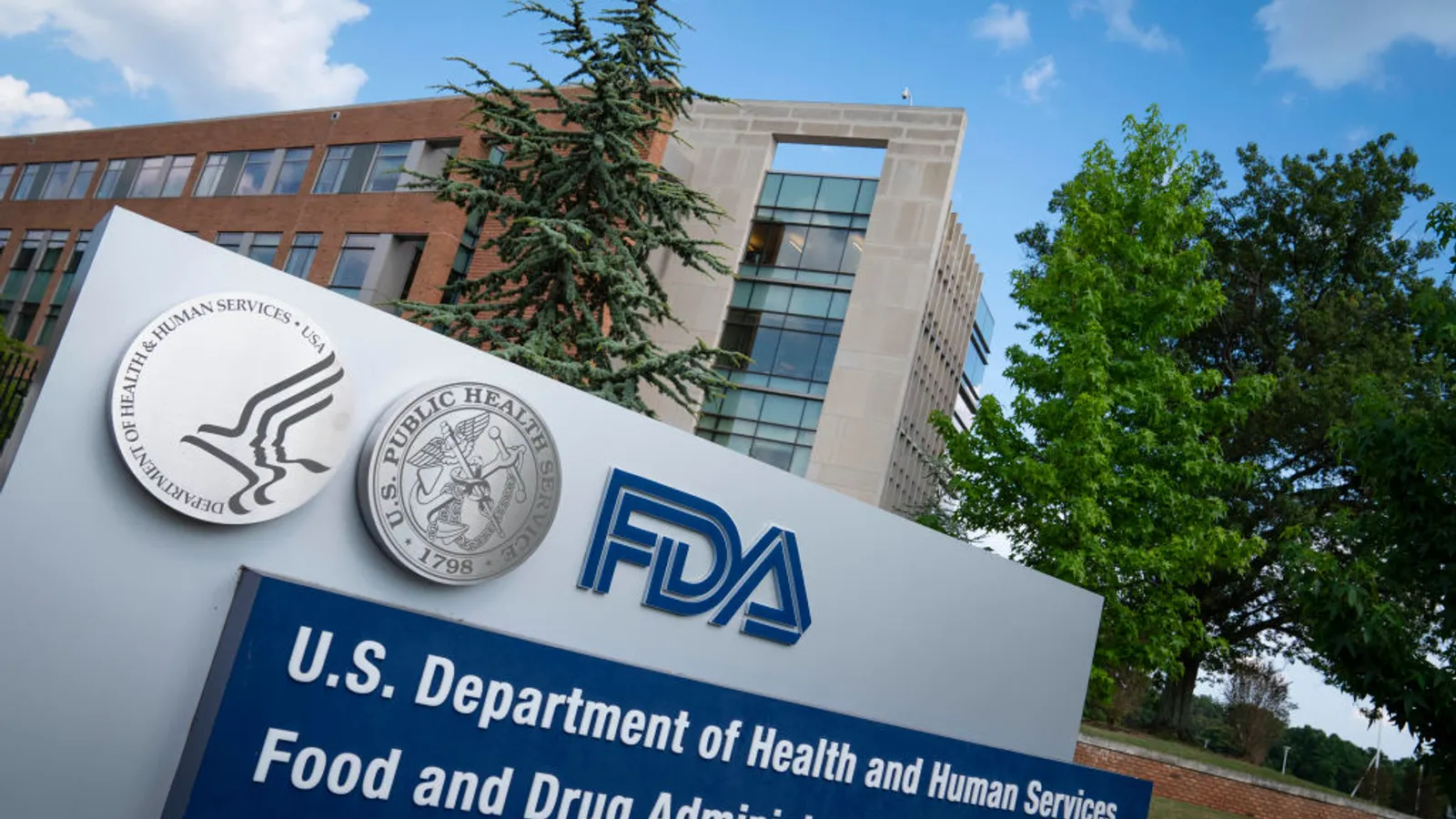

US provider groups push for tech firms to be liable for AI medical devices
Provider groups are urging the FDA to hold tech firms, not doctors, responsible for generative AI medical devices. This could shift regulatory risk and product accountability upstream. Senior leaders should monitor how liability rules may affect AI adoption and vendor selection.


Quest Diagnostics reports cyber breach affecting patient records
Quest Diagnostics reported unauthorised access to its Quanum LSM system, affecting some patient records. The incident puts data security in focus for healthcare and insurance leaders. Ongoing investigations will determine the full impact.

OpenAI buys Orchestra Bio to expand Rosalind AI for pharma research
OpenAI has acquired Orchestra Bio, an AI biotech startup, to boost its Rosalind AI model for life sciences. The move signals increased AI adoption in drug discovery and operations. Pharma and biotech leaders should watch for new AI-driven competition and partnerships.


ICER says most new drug launch prices exceed cost-effectiveness limits
ICER's latest analysis says net launch prices for new medicines rose sharply between 2022 and 2025, with most exceeding its cost-effectiveness thresholds. This raises pressure on pharma pricing strategies and payer negotiations. Watch for regulatory or payer pushback.


The Key Element Shaping the Future Hospital Experience
The future hospital will be defined not just by advanced technologies but by how well these innovations are integrated and coordinated around patient care. Despite abundant data and digital tools, hospitals often struggle with fragmented systems and underused insights. Artificial intelligence can bridge this gap by delivering actionable, real-time coordination among staff and resources, ensuring more effective, patient-centered care. Human oversight remains essential to measure impact and maintain quality. This approach fulfills Lord Taylor’s vision of hospitals organized around patients, orchestrating care efficiently to improve outcomes.


Medicare Cyberattack Reveals Australia’s Aging Tech Infrastructure, Posing Costly Challenges
A recent AI-driven cyberattack on Medicare has revealed Australia's critical technological weaknesses in federal systems. The government has mandated agencies to review and reduce legacy technology to improve cybersecurity, signaling potential high costs for taxpayers as modernization efforts ramp up.


Nurses Struggle with Scheduling Errors Amid New AI Software Rollout
A prominent healthcare provider adopted Palantir's AI scheduling software to streamline staff management but nurses report it has introduced errors and burnout, sparking safety concerns.

Epic Health Tech Halts New Features to Address Security Vulnerabilities
Epic, known for its MyChart patient platform, is pausing new product development to concentrate on fixing security flaws that risk exposing patient data. This temporary hold aims to enhance system security and safeguard sensitive health information.


From Year-Long to Minutes: The Revolution in Genome Analysis and the Need for Standardized Interpretation
Genome sequencing has advanced dramatically from a year-long, labor-intensive process in 2009 to a 30-minute, low-cost task by 2026 using Claude. This progress emphasizes the urgent need for standardized guidelines to interpret and regulate genomic data effectively.


Google's AI Leads in Forecasting Flu Hospital Admissions
Google's AI model outperforms others in predicting flu-related hospital admissions, as confirmed by the CDC, highlighting AI's vital role in improving health forecasts and supporting healthcare systems.

Introducing SynthID Bio: Watermarking Proteins in Synthetic Biology
Google DeepMind's SynthID Bio technology brings watermarking to AI-designed proteins, ensuring their authenticity without affecting their biological activity. This advancement marks a significant step in synthetic biology research and applications.

HHS Unveils New Initiatives to Accelerate Clinical Trials Using AI
The Department of Health and Human Services is introducing innovative approaches incorporating AI to quicken the clinical trial process. These efforts are designed to boost the U.S.'s standing in the global research landscape, ensuring faster development of medical treatments.

MAHA Advocates for Enhanced Accessibility of Health Data
At a recent event hosted by the MAHA Institute, experts including Kennedy stressed the need for greater accessibility to health data. The availability of such data is seen as critical for advancing research in key areas like vaccines, chronic illnesses, and autism, which could lead to improved healthcare solutions.


AI-Driven Cyberattacks Threaten Hospitals and Banks Unprepared for Rising Risks
Vivian's Door, a nonprofit aiding minority businesses, faced a cyberattack where hackers exploited AI to send fraudulent money requests. The breach exposed gaps in cybersecurity, forcing an urgent shutdown of systems to protect sensitive financial data. This incident highlights the growing threat AI-powered hacking poses to critical sectors like healthcare and finance, often caught unprepared.

Harnessing AI to Revolutionize Medicine and Healthcare
AI is rapidly transforming medicine by enhancing drug discovery through smarter decision-making and continuous learning from experiments. With healthcare spending soaring, AI holds promise to accelerate breakthroughs, improve patient outcomes, and generate substantial economic value. Despite challenges, successful AI integration could usher in more frequent medical advances, delivering healthier lives and hope to millions worldwide.

FDA Approves Eli Lilly's Once-Weekly Insulin for Type 2 Diabetes
Eli Lilly's Onswik, a once-weekly basal insulin for adults with type 2 diabetes, has been approved by the FDA. This new treatment offers an alternative to daily insulin injections, aiming to enhance patient convenience and adherence to diabetes management.

Insurers Report Surge in Healthcare Costs Attributed to AI in Hospitals
Blue Cross Blue Shield reveals that the adoption of AI technology in hospitals has driven up healthcare spending by nearly a billion dollars over two years, highlighting cost concerns amid technological advancement in healthcare.

Precision Neuroscience Secures $250M in Series D Funding at $1 Billion Valuation
Precision Neuroscience has raised $250 million in a Series D round, achieving a valuation of over $1 billion. Led by Pershing Square and other investors, this funding supports the company’s brain-computer interface development, marking a significant milestone in neurotechnology innovation.