


Eli Lilly Expands Oncology and Genetic Medicine Portfolio with $3.25 Billion Acquisition of Kelonia Therapeutics
Eli Lilly announced the acquisition of Kelonia Therapeutics for $3.25 billion upfront to broaden its oncology and genetic medicine capabilities, signaling a strategic move beyond its current GLP-1 focused treatments.


Half a Million UK Biobank Health Records Listed for Sale on Alibaba Website
Anonymized health records of 500,000 UK Biobank participants appeared for sale on Alibaba, prompting swift action by the UK government and Chinese partners to remove the listings. No confirmed sales took place, underscoring ongoing concerns around data security and privacy.


Why U.S. Companies Are Rethinking Their Health Insurance Options
U.S. employers face increasing health insurance premiums and new transparency rules, prompting a shift toward more cost-effective, nontraditional insurers and pharmacy benefit managers to manage expenses.


Google's Gemini AI Now Operates Securely on a Single Air-Gapped Server with Complete Data Privacy
Cirrascale and Google Cloud have introduced a secure, air-gapped Gemini AI appliance that runs locally on dedicated hardware, ensuring total data privacy by erasing the model when powered off. This solution caters to industries needing high security, like finance and healthcare, enabling use of Google's advanced model without sacrificing control or compliance. It represents a shift toward private AI deployments outside public clouds.


Assessing the Reliability of AI Chatbots for Medical Guidance
Carsten Eickhoff of the University of Tübingen investigates the limitations and issues faced when using AI chatbots to provide medical advice, emphasizing the need for caution in relying on these tools in healthcare contexts.

Groundbreaking mRNA Vaccine Offers Tailored Cancer Treatment
Recent advances reveal that mRNA-based cancer vaccines could revolutionize treatment by providing highly personalized therapies, adapting uniquely to individual patient needs and potentially improving outcomes significantly.
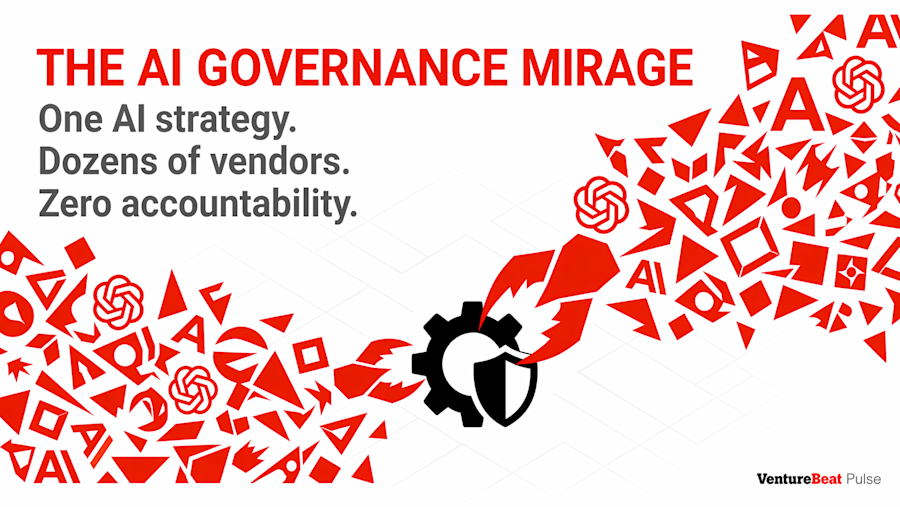
The Illusion of AI Governance: Why 72% of Enterprises Overestimate Their Control and Security
A recent survey reveals that 72% of enterprises rely on multiple AI platforms, often without coordinated governance, leading to security gaps and operational complexity. While confidence in AI oversight is high, many lack clear accountability and systematic controls. Experts advocate for unified control solutions to manage risks and prevent vendor lock-in, emphasizing the need for independent governance to truly secure AI deployments.


Transforming Front Desks: The Rise of AI Receptionists Across Industries
AI receptionists are revolutionizing front desk operations by offering 24/7 handling of calls, visitor management, and administrative tasks through voice and digital human interfaces. By integrating deeply with business systems, they reduce costs, lower no-shows by 30%, accelerate check-ins, and improve visitor experiences across healthcare, corporate offices, and hospitality, providing a scalable, efficient alternative to traditional receptionists.


Eli Lilly Acquires Gene Therapy Innovator Kelonia Therapeutics in Landmark $7 Billion Deal
Eli Lilly has acquired Kelonia Therapeutics in a $7 billion cash deal, marking the largest acquisition of a venture-backed biotech in years. Kelonia, known for its promising gene therapies targeting cancer, offers innovative treatments that reprogram patients' T-cells inside the body. This acquisition reflects increasing investment in gene therapy startups focused on faster, more effective cancer treatments.


Coral Secures $12.5 Million to Streamline Healthcare Admin with AI
Coral, a New York startup, has raised $12.5M to automate healthcare administrative tasks using AI that reads handwritten faxes and processes patient intakes quickly without disrupting provider routines. The company has already achieved significant revenue milestones and targets a 4x growth by 2026.

AIM Centre Expands Westward with New Galway Hub to Boost Medtech and Life Sciences
AIM Centre is growing beyond Sligo to establish a Galway hub, enhancing its connection with medtech and life sciences sectors in western Ireland to foster industry collaboration and innovation.

ONWARD Medical Secures €40.6M to Propel Spinal Cord Stimulation Implant Development
ONWARD Medical has raised €40.6 million to advance clinical trials and commercial efforts for its spinal cord stimulation technologies, focusing on treating blood pressure instability after spinal cord injuries and scaling its external therapy systems. This funding boosts the company's runway to early 2028.

OpenAI Launches AI Model to Compete with Google's AlphaFold in Life Sciences
OpenAI unveils its inaugural Life Science model, set to rival Google's AlphaFold, with the goal of accelerating research and innovation in biology and healthcare.


AI and Healthcare: Bridging the Gap Between Hype and Human Impact
AI companies promise much in healthcare, but real success requires proven impact in humans through rigorous trials. Leading firms close the gap by testing AI-driven treatments in clinical settings and refining models with patient data, creating a continuous feedback loop that enhances outcomes and bridges hype with reality.

AI Revolutionizing Personalized Education and Decision-Making in Aesthetics
AI is transforming the aesthetics industry by enabling personalized, data-driven consultations that align patient expectations with realistic treatment outcomes. By integrating AI skin analysis and visualization tools, practitioners enhance patient education, build trust, increase satisfaction, and drive business growth. The democratization of these AI technologies is making advanced personalized skincare accessible beyond luxury clinics, signaling a major shift in how consumers engage with aesthetic treatments.

Cambridge Biotech STORM Therapeutics Secures $56M to Advance RNA Enzyme Inhibitor for Cancer Treatment
STORM Therapeutics raised $56 million to further develop STC-15, an innovative RNA enzyme inhibitor showing promising results in early cancer trials. The funding round was backed by existing investors Pfizer Ventures and M Ventures, highlighting strong confidence in the company's approach to targeting RNA modifications for cancer treatment.

OpenAI Launches GPT-Rosalind: A Specialized AI Model Transforming Life Sciences Research
OpenAI introduces GPT-Rosalind, a specialized AI model designed to transform life sciences research by accelerating experiment planning and data integration. With domain-specific expertise, it outperforms prior models in bioinformatics tasks and is complemented by a new Codex plugin connecting researchers to extensive biological databases. Currently accessible only to qualified US enterprises, GPT-Rosalind is poised to accelerate drug discovery and reduce research costs, earning strong support from major industry players.


Florence Nightingale: A Trailblazer in Healthcare Innovation
Florence Nightingale revolutionized healthcare by combining compelling data communication, clear caregiving guidance, and standardized nursing education. Beyond her compassionate image, she used innovative strategies to fight disease, improve hospital conditions during the Crimean War, and professionalize nursing. Her legacy offers enduring lessons in effective disruption without needing advanced technology or larger-than-life leadership, highlighting how persistence and collaboration can drive transformational change.

Why I Sold My Healthcare AI Startup Within a Year to Accelerate Real-World Impact
Louis Blankemeier shares why selling his healthcare AI startup within a year enabled faster progress in developing clinically reliable radiology AI. Joining forces with Radiology Partners provided the scale, data, and clinical resources needed to navigate complex regulatory and real-world challenges, thereby accelerating the mission to expand healthcare access globally.
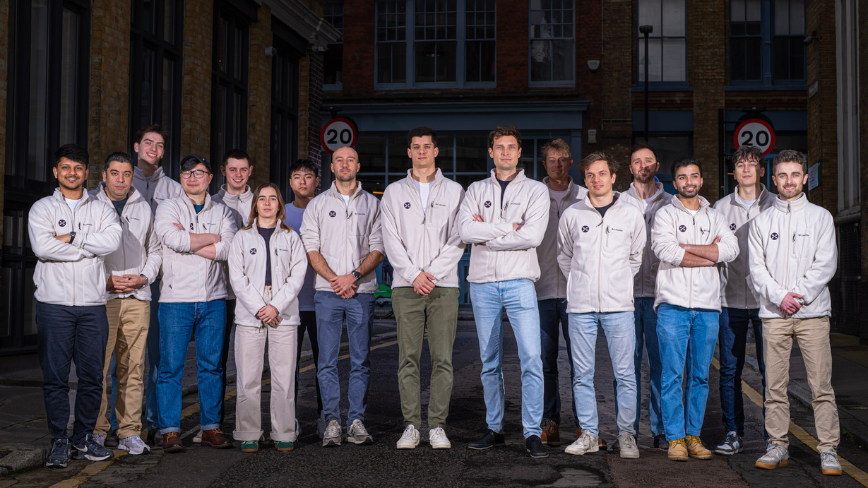
Helical Secures $10M Seed Funding to Advance Bio Foundation Models for Pharma
London-based pharma AI startup Helical raised $10M in seed funding led by redalpine and backed by key industry figures. The company collaborates with top pharmaceutical firms like Pfizer to develop bio foundation models into operational systems.