

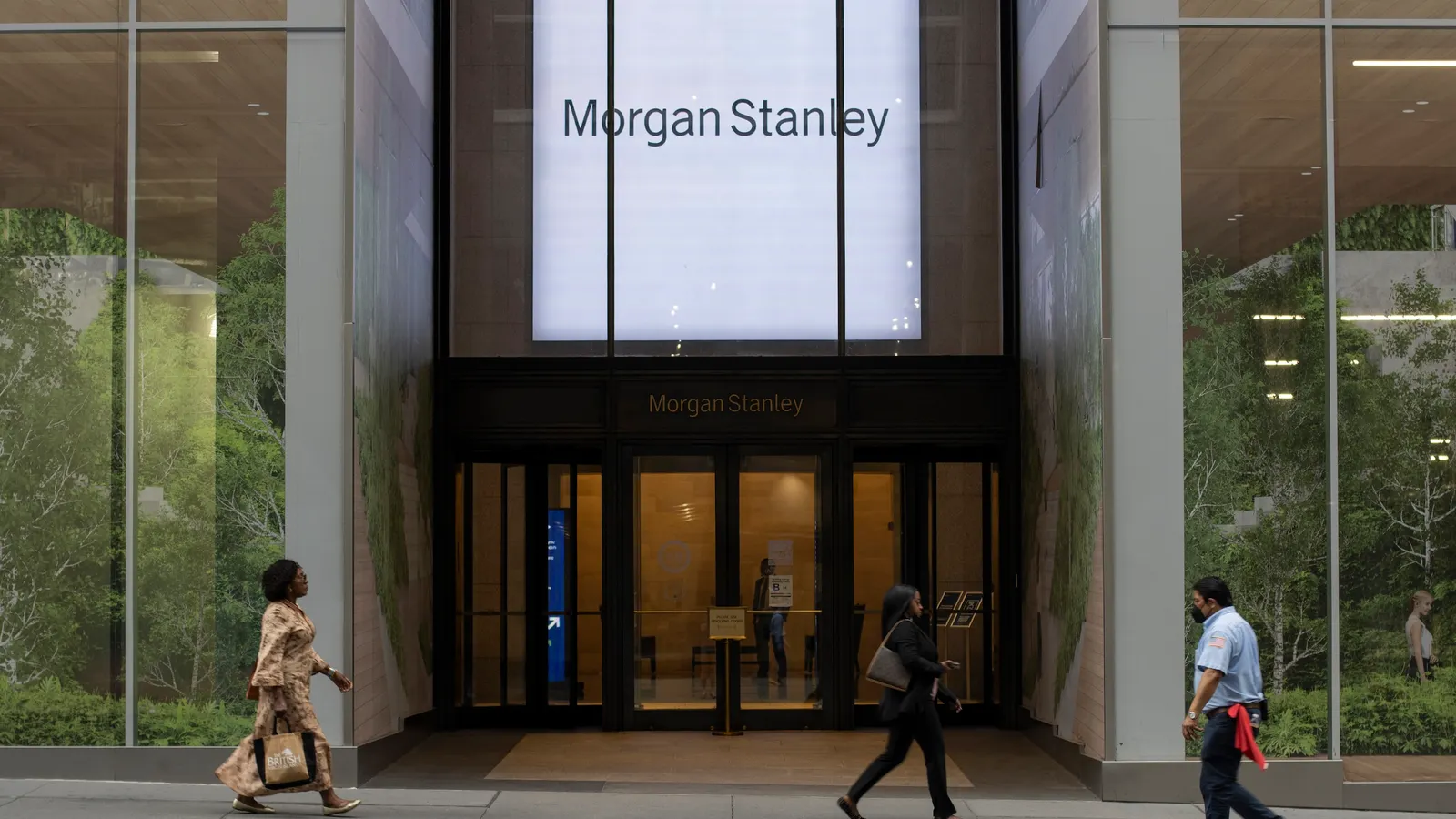

Morgan Stanley shifts data strategy to drive AI in wealth management
Morgan Stanley changed its data approach to support AI in its wealth division, according to its CIO. This matters for digital and technology leaders seeking to modernise data foundations for AI. Watch for how this shift affects client service and risk controls.


Generali to cut 9% of German workforce and invest in AI and IT
Generali will cut around 9% of its workforce in Germany and consolidate offices into five regional centres. The insurer aims to cut costs, invest in digitalisation, and recruit for future skills. Senior leaders should watch for operational impacts and workforce shifts.
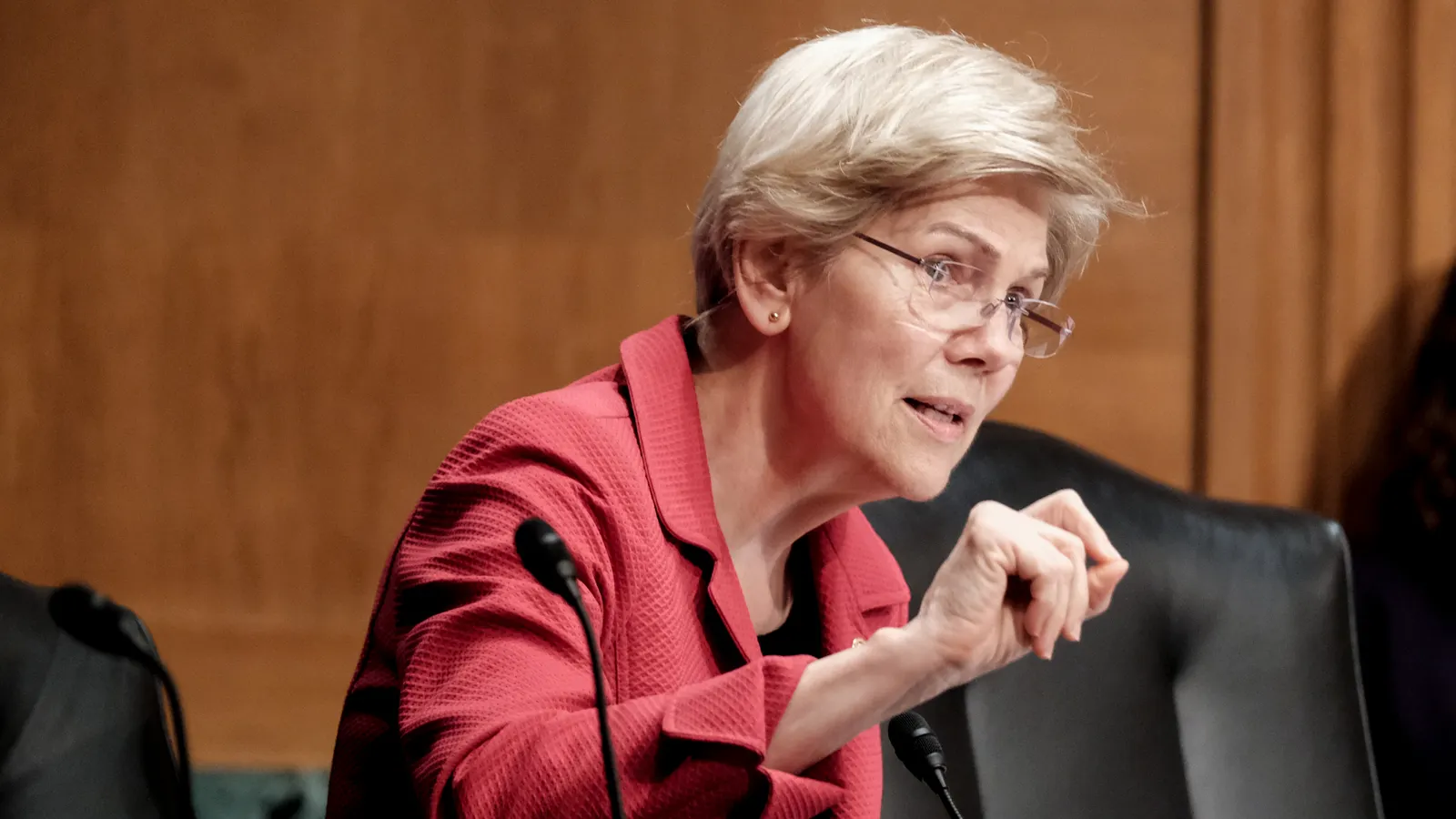
Senator calls for restoration of bank examiner powers on AI and cybersecurity risks
A US senator said current limits on examiner warnings and enforcement leave banks exposed to AI and cybersecurity threats. Senior financial leaders face increased oversight risk if rules change. Regulatory scrutiny of digital risk management may intensify.


Anthropic files for IPO, revealing financial details and risk outlook
Anthropic has filed for an IPO, making its SEC prospectus public for the first time. The filing gives regulated-industry leaders a rare look at one of the largest AI firms’ financials and risk management. Watch for how this affects AI adoption and compliance.


US court rejects Federal Reserve’s debit card fee cap
A US appellate court ruled the Federal Reserve’s debit card interchange rule fails to meet Congress’s intent for swipe fee limits. The decision could affect payment costs and compliance for banks and card issuers. Watch for regulatory or industry responses.
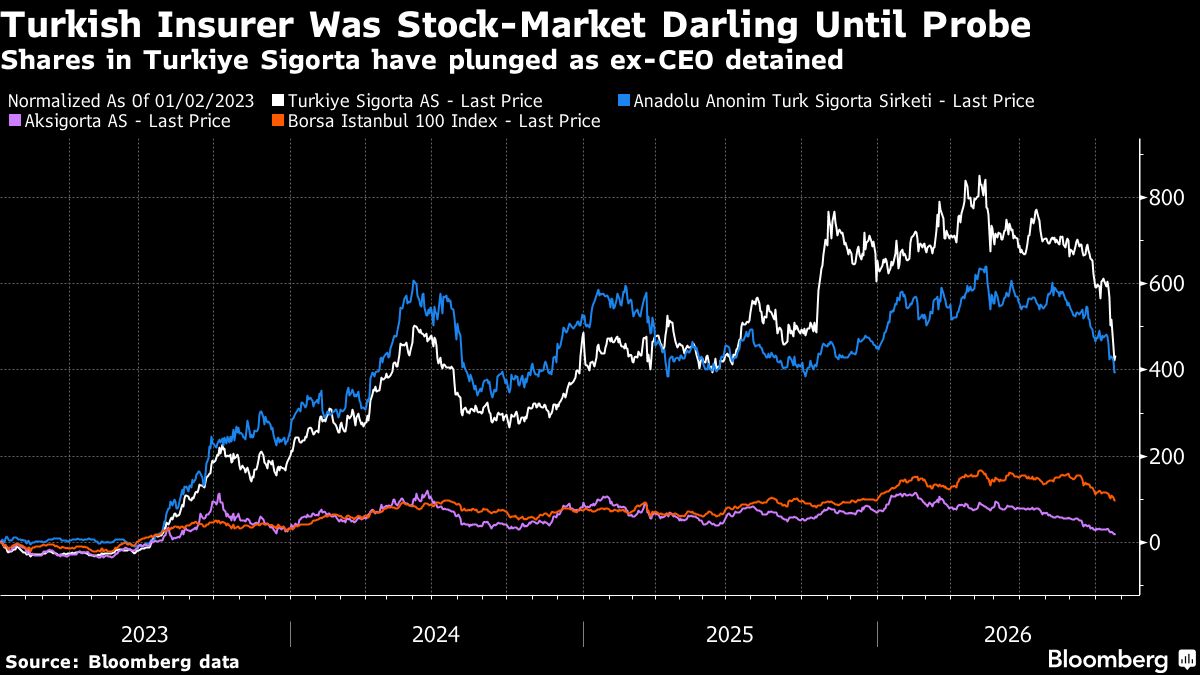
Turkiye Sigorta shares fall 18% as CEO and deputy arrested in fund probe
Turkiye Sigorta’s CEO and deputy were arrested amid a market manipulation probe, sending shares down 18% in two days. The case raises governance and risk questions for insurance leaders. Watch for regulatory fallout and further market disruption.

Euronet and Fireblocks extend partnership to support stablecoin-funded cards
Euronet and Fireblocks are working together to offer infrastructure for stablecoin-funded cards, according to Payments Dive. This move could allow banks and payment firms to offer new digital asset services. Senior leaders should assess operational and regulatory implications.

French banks face investor pressure as political turmoil hits bond exposure
French banks with €54 billion in sovereign debt face investor scrutiny as unrest and market volatility drive up yields and weigh on share prices. Senior leaders in finance and insurance must watch for further economic fallout and regulatory signals.

US cyber insurance premiums near $7.5bn as endorsements dominate policy counts
US cyber insurance premiums rose to $7.5bn in 2025, with endorsement policies making up over half of policy counts but only 4% of premium, according to NAIC. For insurers and risk managers, the split between endorsement and primary policies shapes product strategy and risk exposure.


Centene cuts 6,000 jobs as Medicare unit nears early break-even
Centene expects its Medicare business to break even a year early after a strong third quarter. The insurer has cut 6,000 jobs, incurring severance costs but aiming for higher margins by 2027. Senior healthcare leaders should watch for further margin shifts as restructuring continues.

Google to require verification for US and Canadian financial ads by 2027
Google will require financial firms in the US and Canada to verify their legitimacy before advertising, starting in early 2027. This raises the bar for ad safety and fraud prevention for banks and insurers. Firms should prepare for stricter ad verification and cross-industry checks.

Millions of hacking attempts hit firms as PHP flaws force emergency shutdowns
Critical PHP flaws triggered emergency shutdowns at banks, insurers and government sites, with millions of hacking attempts reported. The incident exposes the risks of ageing code in core systems. Firms must review patch management and software dependencies urgently.
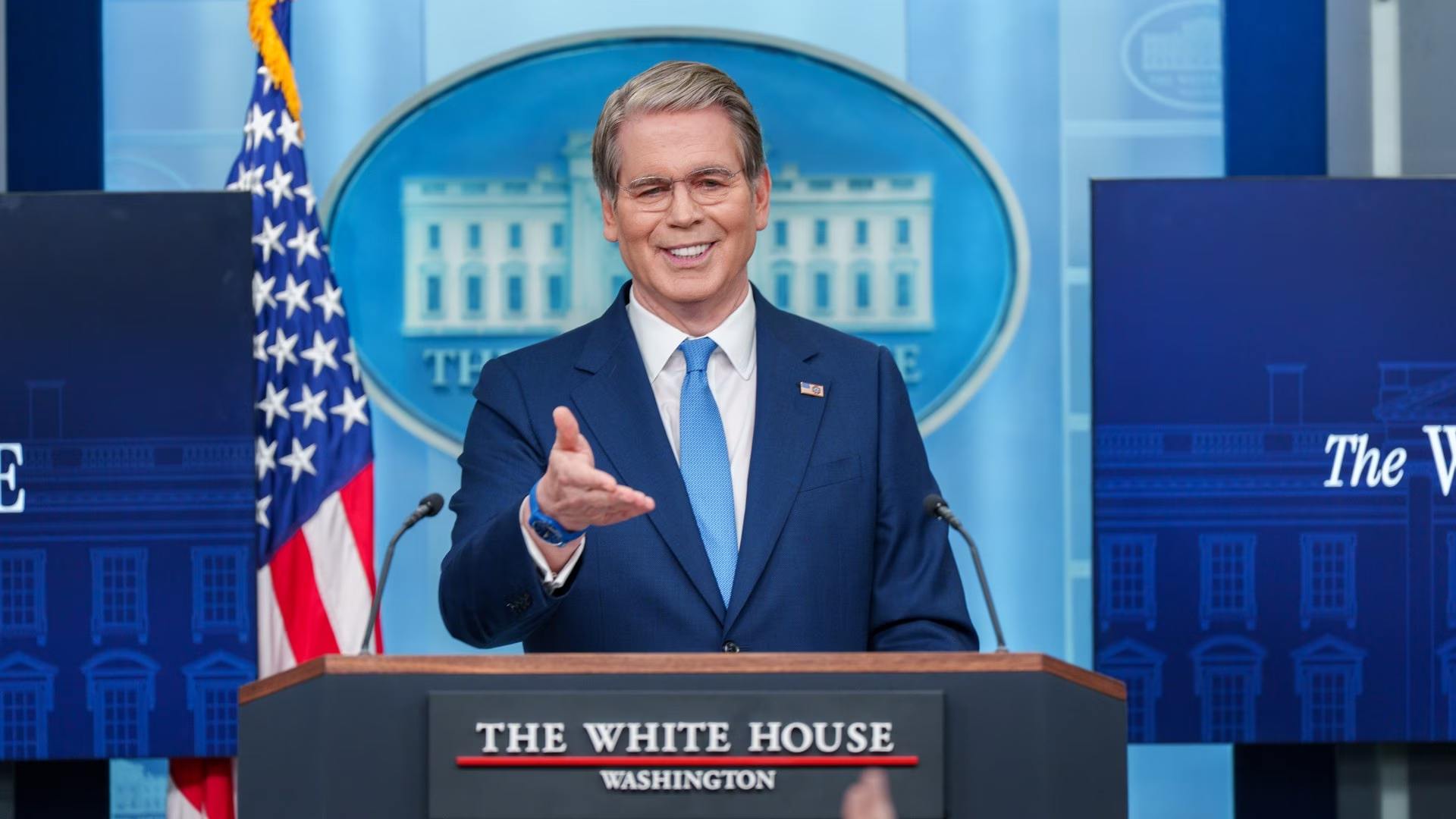

US Treasury plans wider ban on AI, chip and biotech investment in China and Russia
The US Treasury has proposed new rules to expand its ban on US investment in sensitive tech sectors in China, Russia and others. The draft adds biotechnology and more countries to the list. Senior leaders must assess cross-border risk and compliance now.

GMO seeks Japan’s new cyber defence powers after server hack hits 26,739 clients
GMO Internet Group asked Japan to use new cyber defence powers after a hack affected up to 26,739 servers. The breach exposed trading logins and triggered extortion threats. Regulated firms must assess their cyber risk and response plans as government intervention evolves.


Banks plan higher AI fraud budgets as threats increase
Banks expect a surge in AI-driven fraud and say 96% will boost AI fraud tech budgets in two years, according to Inc. This points to rising risk and the need for technology investment. Senior leaders should assess if current controls match new threats.

AM Best says social inflation pushes US commercial auto liability claims up 6.4% a year
AM Best reports commercial auto liability claim costs rose 6.4% a year from 2014-2024, more than double economic inflation. This trend increases risk and costs for insurers and commercial policyholders. Umbrella policy pricing has also diverged from general liability.
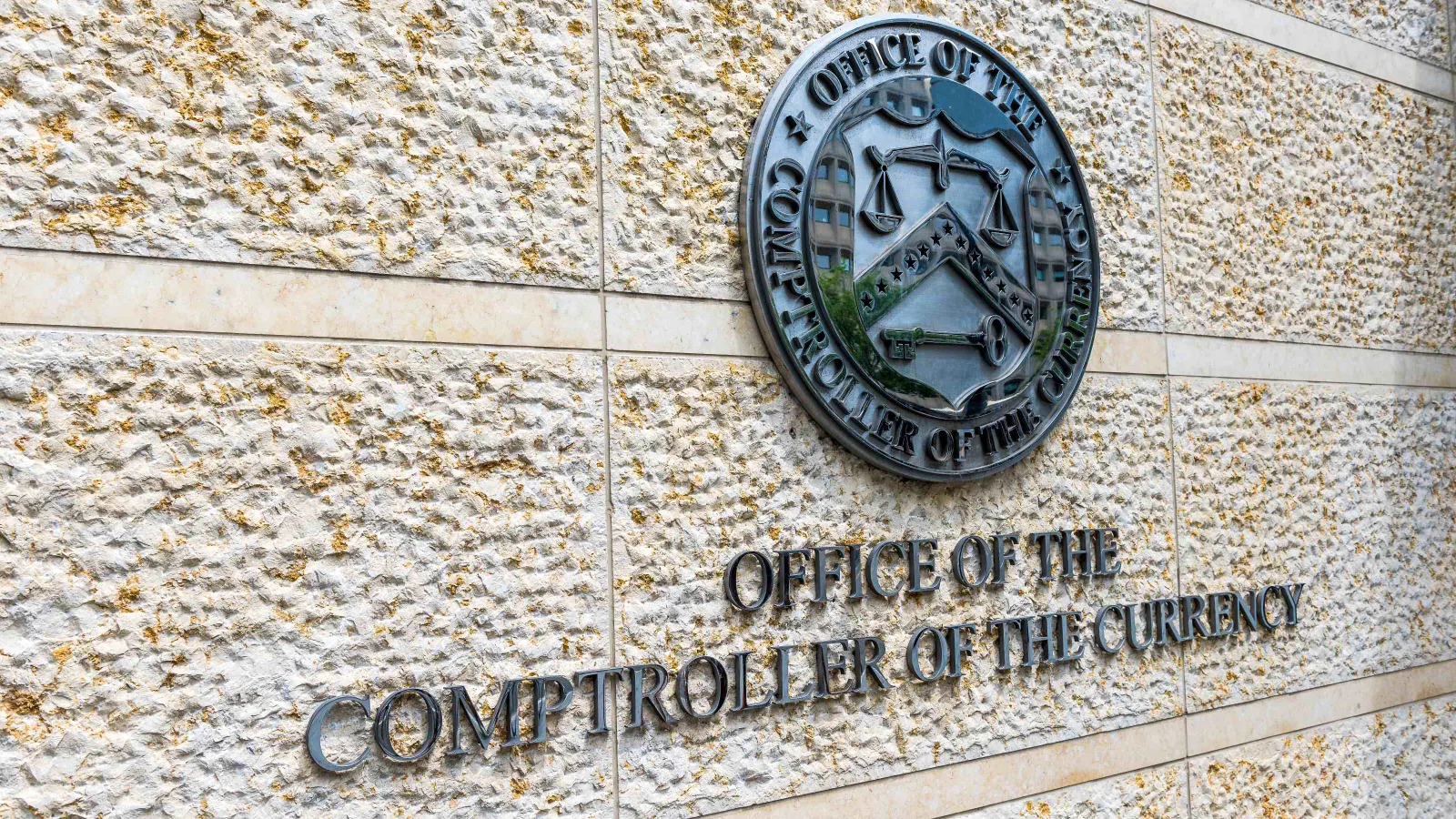
Sezzle applies for U.S. OCC bank charter amid state rule changes
Sezzle, a buy now, pay later provider, is seeking a U.S. bank charter from the OCC. The move comes as new state rules affect the sector. Regulated industry leaders should watch for shifts in compliance and competition.
Citi slows AI agent rollout, citing risk controls in banking
Citi’s global head of AI said at Money20/20 that the bank is moving slowly on AI agent access. This matters for banks and insurers weighing AI adoption against operational and regulatory risks. Senior leaders should watch for updates on Citi’s AI governance.
BitGo sees rising bank interest after unconditional OCC charter
BitGo reports more banks have approached since it received an unconditional OCC charter. This may signal increasing regulatory comfort with digital asset custodians. Bank and payments executives should monitor how this affects partner and competitor strategies.


AI-driven attacks push up costs of large firms’ cyber insurance claims
A new report says AI-powered attacks and supply-chain risks are making cyber insurance claims less frequent but more expensive for large businesses. This trend could affect risk pricing and coverage terms for regulated firms. Insurers may tighten requirements or raise premiums.