
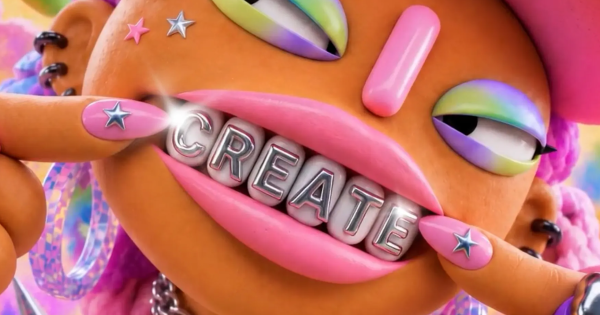

Adobe pushes human touch in major campaign as AI content rises
Adobe is focusing on the human element in its largest brand campaign in five years, according to Adweek. For CMOs, this signals a shift in how creative value is positioned as AI-generated content increases. Watch for how rivals and clients respond to this message.
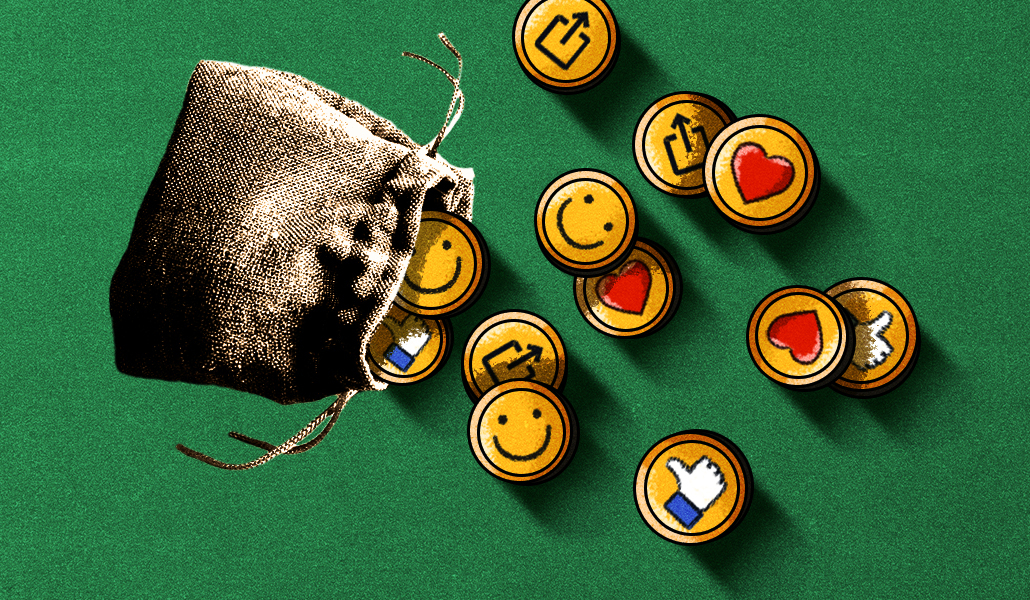

Lush grows revenue to £736m after quitting paid social media ads
Lush pulled in £736.2 million in 2025 after leaving paid social media ads in protest at data privacy and mental health concerns. The brand focused on creators, in-person events and its own channels. CMOs may need to rethink reliance on paid social for growth.
AG1 and Crayola CMOs say brand purpose drives premium and loyalty
Paulie Dery of AG1 and Victoria Lozano of Crayola share how brands can defend premium positions by focusing on purpose and community, not just product features. For marketing leaders, this means balancing short-term sales with long-term brand value. AI’s role in creativity and trust is also in focus.
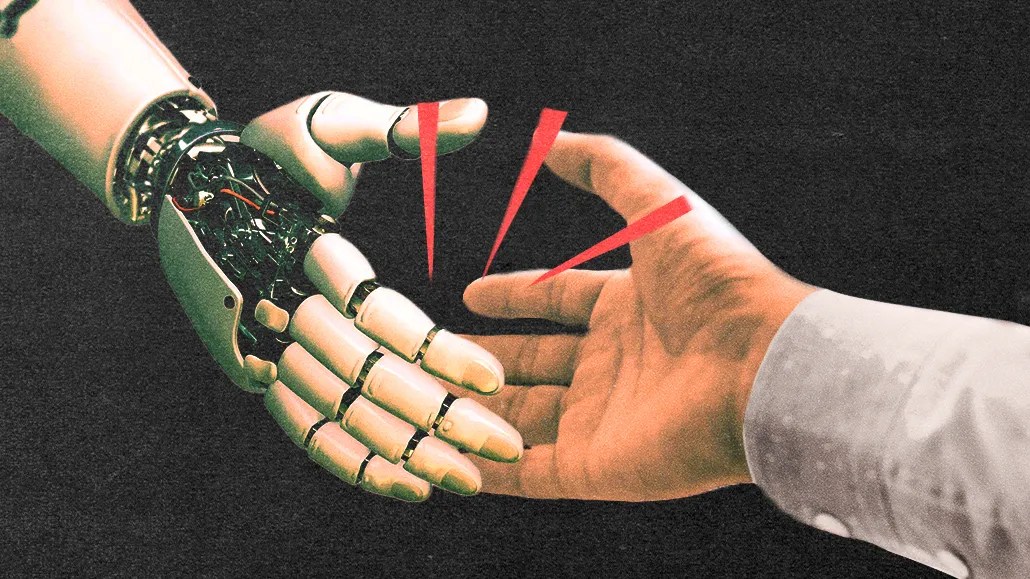
AI-Driven Creative Production Gains Traction Among Mid-Level CMOs
AI-driven creative production is increasingly embraced by mid-level CMOs beyond the billion-dollar companies, signaling a shift towards widespread use of scalable AI tools in marketing.
Navigating Transparency Challenges: Agency Fees in Creator Marketing Deals
With growing budgets in creator marketing, marketers are focusing more on the transparency of agency fees in these deals. Unclear commissions are causing concern over budget use and fairness, prompting calls for more openness in fee structures to better manage creator partnerships.

How Netflix's Product Team Earned Creative Trust for an AI Transformation
Netflix's AI implementation combined traditional communication and thorough planning to successfully gain the trust of thousands of creatives, highlighting the importance of thoughtful human interaction alongside technological innovation.


Target Highlights Design Heritage in New Marketing Drive
Target launches a marketing campaign focusing on its design legacy, including creator collaborations and experiential activations, coinciding with early signs of a successful turnaround.
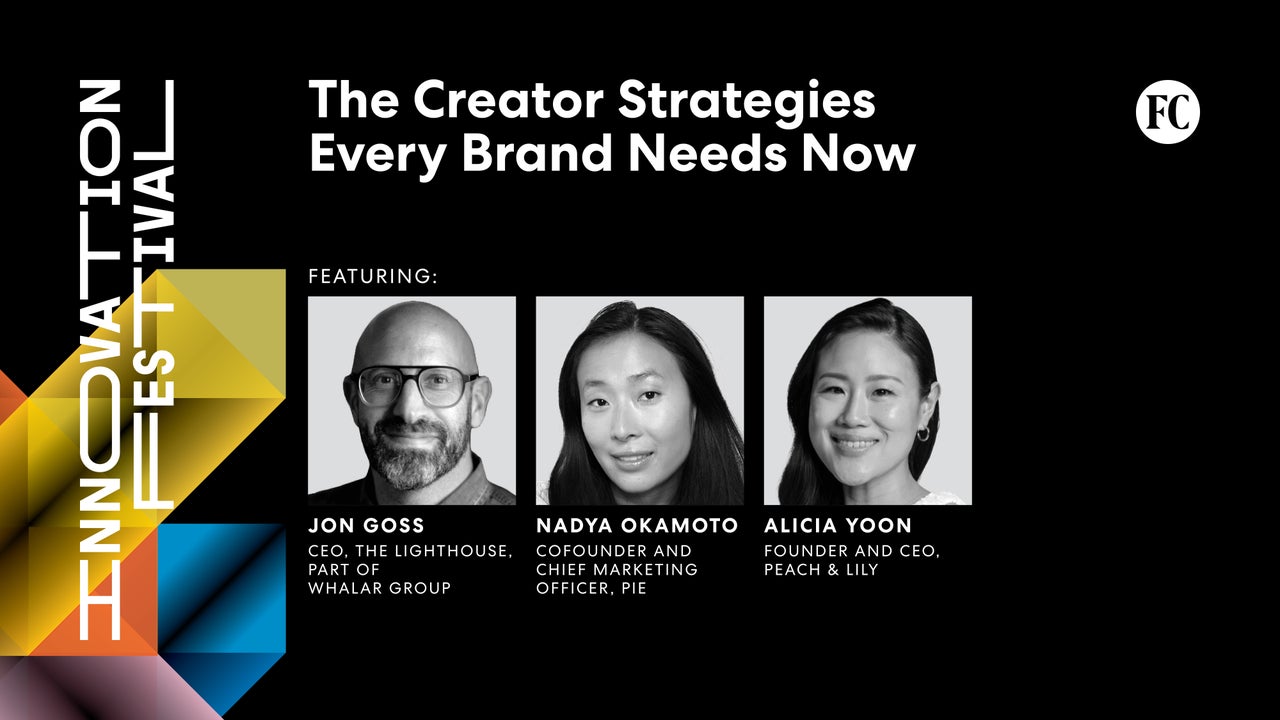

Essential Creator Strategies Every Brand Must Adopt Today
With influencer marketing evolving, brands need fresh strategies to foster authentic partnerships with creators. This involves choosing the right collaborators, moving beyond single posts, and focusing on genuine content and impactful metrics to navigate the shifting creator economy.
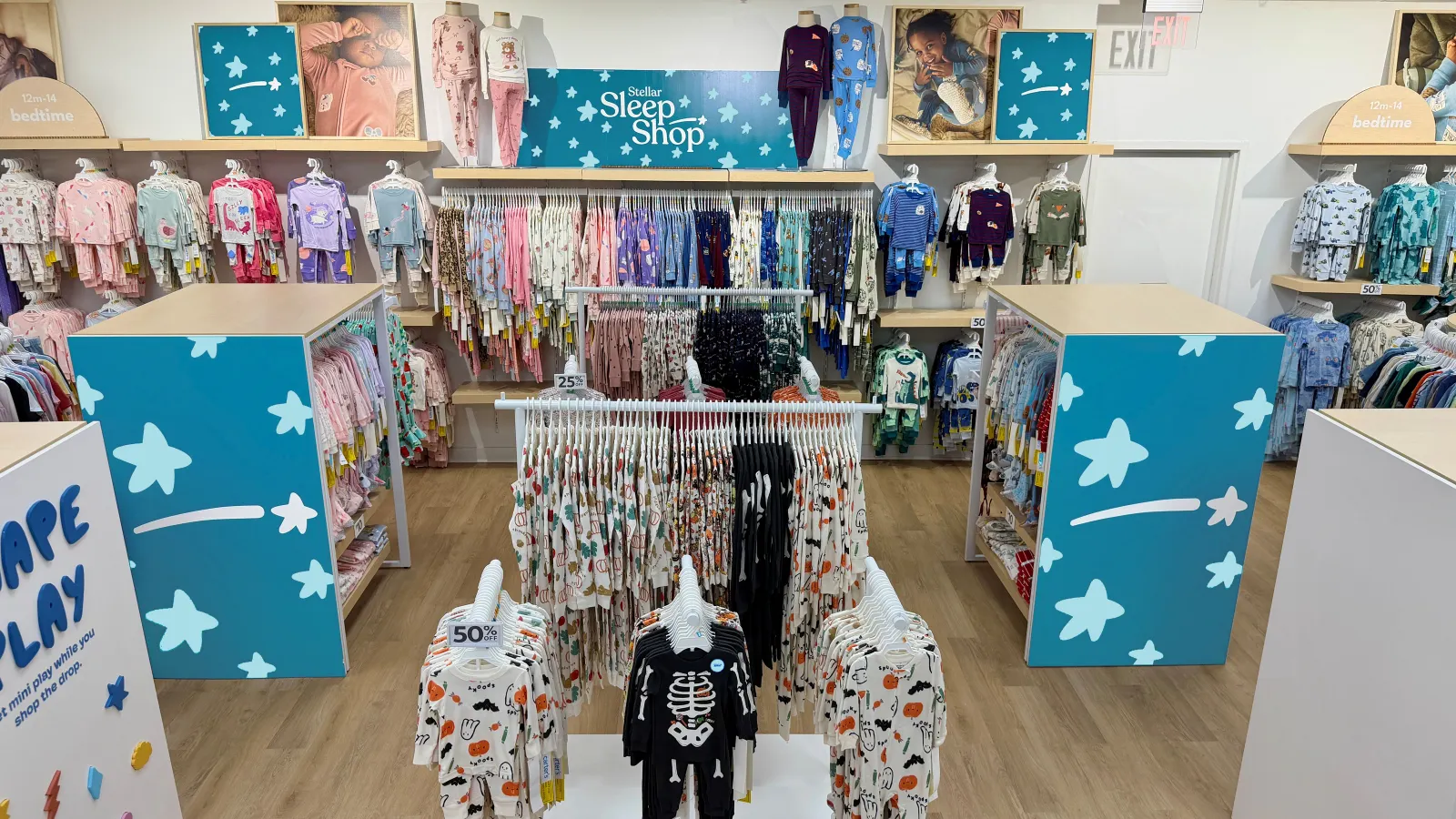
Carter’s Brand Revamp Targets Gen Z and Millennial Parents
Carter’s updates its brand identity with a new logo and social media strategy, launching a campaign centered on self-expression to engage Gen Z and millennial parents.

The Future of Marketing: Creators Who Connect with Both Humans and AI
Marketing is evolving as brands demand creators who engage both human audiences and AI systems. This change is reflected in creator briefs that now resemble AI search queries, emphasizing a blend of creativity and technology in content creation.


Google Unveils AI-Driven Creative Tool to Rival Canva
Google launches Google Pics, an AI-centric creative platform designed to compete with Canva and Adobe by allowing users to create designs through simple prompts instead of manual design work, marking a shift toward more intuitive creative software.

Embracing Friction: How Workplace Tensions Ignite Creative Breakthroughs
Workplace friction is often seen as conflict to avoid, but when embraced, it becomes a powerful catalyst for creativity and innovation. Experts reveal that healthy disagreements lead to fresh perspectives and breakthrough ideas. Studies show managing conflict well boosts team creativity and connections, urging workplaces to foster honest debates rather than forced consensus. Learning to welcome friction can unlock more ideas, demonstrating that stepping out of comfort zones stimulates innovative solutions.


Freelancers Overwhelmed by Tedious AI Fixes Instead of Original Creations
Freelancers like Lisa face growing demands to fix imperfect AI-generated designs instead of creating original work. This shift has led to lower pay and ethical concerns for artists, causing some to refuse these tasks altogether.

Dr. Squatch Focuses on Interactive Experiences with IShowSpeed to Engage Gen Z
Dr. Squatch is shifting its marketing approach by collaborating with streamer IShowSpeed to create interactive experiences that encourage Gen Z consumers to produce content themselves, moving away from conventional ads to build genuine connections.

Why Creator Engagement Outshines Follower Numbers for Brand Success: Data Insights
The creator economy is nearing half a trillion dollars, but brands often miss the mark by focusing on follower counts over genuine creator-brand alignment. True impact comes from meaningful partnerships rather than audience size alone.


Can Algorithms Foster Innovation by Breaking Creative Blocks?
Algorithmic tools, often designed for efficiency, tend to narrow creative potential by steering users toward familiar ideas, creating 'ideation bubbles.' Research shows that modifying these algorithms to prioritize diverse, uncommon insights significantly enhances creativity, especially for experts who can combine varied knowledge into innovative solutions. Organizations should strategically apply such exploration-based tools for breakthrough innovation, recognizing that expertise remains crucial but is transformed by AI's role in democratizing information and enabling recombinant innovation.

Why Good Design Often Falls Short in Companies
Products often fail not because of poor research, but due to insights being oversimplified and lost as they pass through company teams. Good design demands protecting original insights throughout development, involving designers early and continuously, and leading with the design story rather than vague generalizations. It's the attention to small but meaningful details, preserved by understanding their real impact, that creates products people love and trust.

The Rise of Handmade Branding Amid AI Anxiety
The trend of using handmade aesthetics in branding, driven by fears around AI, is becoming overused and forced. While hand-crafted design has genuine value, many brands apply it superficially to appear more human, reflecting designers' unease with technology. To stand out authentically, brands should embed meaning into design, redefine humanity in branding, collaborate thoughtfully with AI, and embrace complexity rather than uniformity.

Adobe’s Revolutionary ChatGPT Plug-In Merges Creativity and AI with a Spark of Magic
Adobe’s new ChatGPT plug-in integrates over 70 creative tools into one platform, allowing users to produce and edit photos, videos, and designs using plain language commands. It offers a magical, AI-driven experience that creatively combines Adobe’s software in surprising ways. Accessible globally on multiple ChatGPT apps, the tool enables both simple and advanced editing, appealing to new users and challenging competitors like Canva.


Rethinking AI Interaction: Beyond the Conventional Text Box
Oleksii Hrzhehorzhevskyi explores a novel approach to AI interaction beyond standard text boxes, highlighting the creation of a new AI assistant and offering guidance for designers navigating the evolving AI landscape.