



Uber Expands into Hospitality with AI-Driven Innovations
Uber announced a range of AI-powered features at its annual event, signaling a strategic shift beyond ride-hailing into the hotel industry. These developments highlight Uber's ambition to become more embedded in its users' everyday activities.

Apple Denied Request to Halt App Store Payment Changes Ahead of Supreme Court Case
Apple's effort to delay App Store payment reforms was blocked, enabling external purchase links to stay intact. The ongoing legal battle with Epic Games is set to advance to the Supreme Court.


China Warns EU of Retaliation Over Potential Ban on Huawei and ZTE in New Cybersecurity Rules
China has issued a formal warning to the European Union, indicating that if the EU enacts a new cybersecurity law forcing the ban of Huawei and ZTE from its networks, China may retaliate with measures against European companies in China. This move highlights growing geopolitical and trade friction in the technology sector.

GM Integrates Google Gemini AI in Four Million Vehicles, Marking a Major Leap in Automotive Technology
GM rolls out Google Gemini AI to four million vehicles in the U.S., updating newer Cadillac, Chevrolet, Buick, and GMC models with enhanced in-car AI features. The deployment is one of the largest of its kind, occurring alongside ongoing scrutiny over GM's data-sharing policies and an upcoming FTC consent order.

Cognizant Set to Acquire AI Infrastructure Firm Astreya for $600 Million
Cognizant plans to acquire AI infrastructure specialist Astreya for $600 million, enhancing its capacity to manage the physical data centers crucial for enterprise AI. This marks Cognizant's fourth major acquisition within 18 months, strengthening its AI builder strategy.

Microsoft's AI Segment Exceeds $37 Billion Annual Revenue, Driven by Strong Cloud Performance
Microsoft's AI business has exceeded a $37 billion annual run rate, supported by a 40% rise in Azure revenue and an 18% increase in total quarterly revenue to $82.9 billion, outperforming market expectations and underscoring the strength of Microsoft's cloud services.
Porsche Sees Over 20% Profit Decline Amid Sluggish Sales and Tariff Costs
Porsche's profits fell sharply by more than 20% in the first quarter, driven by a 15% decline in vehicle deliveries and a significant €200 million hit from U.S. import tariffs. These challenges weighed heavily on the company's financial performance.
UBS Reports 80% Surge in Profit on Record Trading Revenue
UBS experienced an 80% increase in profit, driven by its investment bank's record-breaking $4 billion revenue this quarter. This growth was primarily supported by standout performances in equities and foreign exchange trading, marking a significant milestone for the Swiss bank.


How Pay Secrecy Is Driving Your Top Talent Away
New research uncovers that pay secrecy can prompt even seemingly loyal employees to consider leaving, as they quietly build their exit plans in response to unclear compensation policies.


Alphabet's Q1 Earnings Surpass Expectations as Google's AI Push Drives Growth
Alphabet exceeded Q1 earnings forecasts with $62.6B in earnings and $109.9B in revenue, driven by Google's AI investments that are transforming all business segments. CEO Sundar Pichai emphasized the critical role of AI in growth, especially in digital advertising and Google Cloud, which grew 63% amid strong demand. Alphabet’s market value soared to $4.2 trillion amid ongoing AI spending to cement its industry leadership.

Preparing Your Leadership Team for the AI Era: A 90-Day Transformation Plan
Successful leadership in the AI era demands new skills and mindsets. This 90-day plan guides organizations through assessing, developing, and embedding AI fluency and readiness within their leadership teams to drive transformation and maintain competitive advantage.


Amazon Unveils Game-Changing AI Strategy with OpenAI Partnership and New Enterprise Tools
AWS has broadened its AI capabilities by integrating OpenAI's advanced models into its Bedrock platform following a restructured cloud deal with Microsoft. This includes new AI agent platforms, a proactive desktop assistant for non-developers, and expanded AI solutions in supply chain, hiring, and healthcare. AWS stresses exceptional security by eliminating human access to inference machines, marking a new phase in enterprise AI where platforms, not just models, are key.
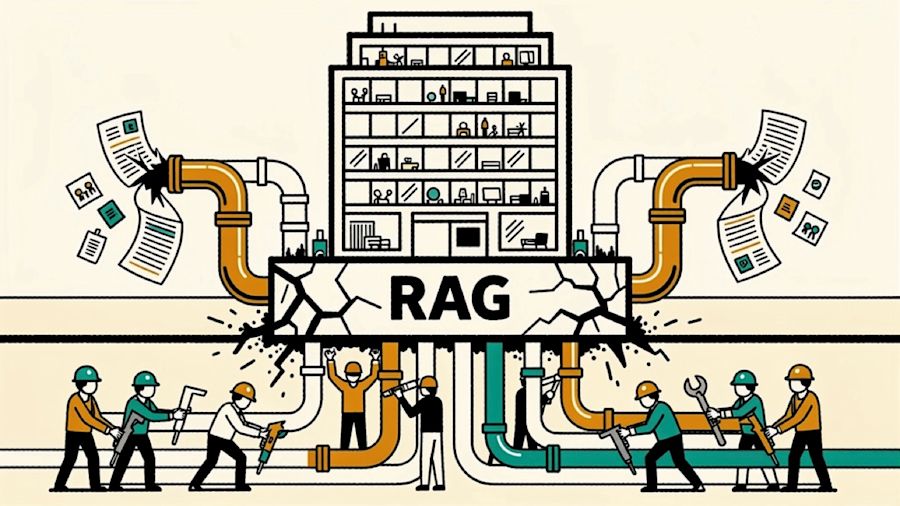
The Rise of Hybrid Retrieval: How Enterprise RAG Systems Are Evolving at Scale
Enterprise RAG systems underwent a significant transformation in Q1 2026, with hybrid retrieval adoption tripling as organizations faced scaling challenges. This "retrieval rebuild" reflects a move towards combining multiple retrieval methods for better performance and reliability. While standalone vector databases lost market share, they remain valued for operational stability. Evaluation standards shifted to emphasize relevance alongside correctness, signaling a maturation of enterprise retrieval strategies. The core takeaway is that while traditional RAG architectures are becoming obsolete, the RAG approach itself remains vital and is being rebuilt for scale.

IBM Introduces Bob: A Secure, Multi-Model AI Coding Platform with Human Oversight
IBM's Bob platform blends AI models with structured human checkpoints to streamline and secure software development. Supporting various advanced AI models, Bob balances automation with human control, helping enterprises reduce risks and improve efficiency. Available globally with tiered subscriptions, it aids teams in building production-ready software safely and efficiently.

AWS Quick Transforms Personal Knowledge Graphs into Proactive Orchestration Agents Beyond Traditional Control Planes
AWS Quick now offers a desktop-native AI agent that builds a persistent personal knowledge graph from users' local files and SaaS apps, enabling proactive, context-driven orchestration beyond traditional control planes. This approach enhances workflow automation but challenges enterprise governance by introducing less transparent decision layers. AWS addresses this with a governed environment balancing user flexibility and IT oversight, highlighting a shift towards personalized AI agent management in enterprise settings.

Why Enterprises Overspend on GPUs They Barely Use and Why Prices Keep Rising
Enterprises are trapped in a cycle of overcommitting to costly GPUs due to supply shortages and fear of losing allocations, resulting in fleets running at only about 5% utilization. This inefficiency drives prices up and wastes resources. The market now diverges with cheaper commodity GPUs and costly, scarce frontier models. Experts recommend practical techniques like GPU sharing, continuous rightsizing, and architectural shifts to boost utilization to 30%–40%, significantly cutting costs. Enterprises should reassess their GPU needs and optimize resource use to break this costly cycle.


Expedia Partners with Popular Livestreamer IShowSpeed to Boost Marketing Reach
Expedia has teamed up with livestreamer IShowSpeed, known for his travel content and a dedicated Gen Z fanbase, naming the platform as his official travel partner. This creator-led marketing move aims to engage younger consumers by aligning with IShowSpeed's influential presence in the digital space.

Google Collaborates with Pentagon on AI Projects Following Anthropic's Decline
Following Anthropic's refusal to provide AI for certain defense applications, Google has secured a new contract with the Department of Defense, enhancing the Pentagon's AI resources. This development highlights the ongoing interplay between tech companies and government agencies in advancing AI use for defense purposes.

Australia Introduces Tax Incentive to Encourage Big Tech Payments for News
Australia's new policy motivates Big Tech firms to pay for news by reducing tax rates as more deals with media outlets are made, potentially funneling up to A$250 million back into journalism. This measure aims to strengthen the financial sustainability of Australian media.
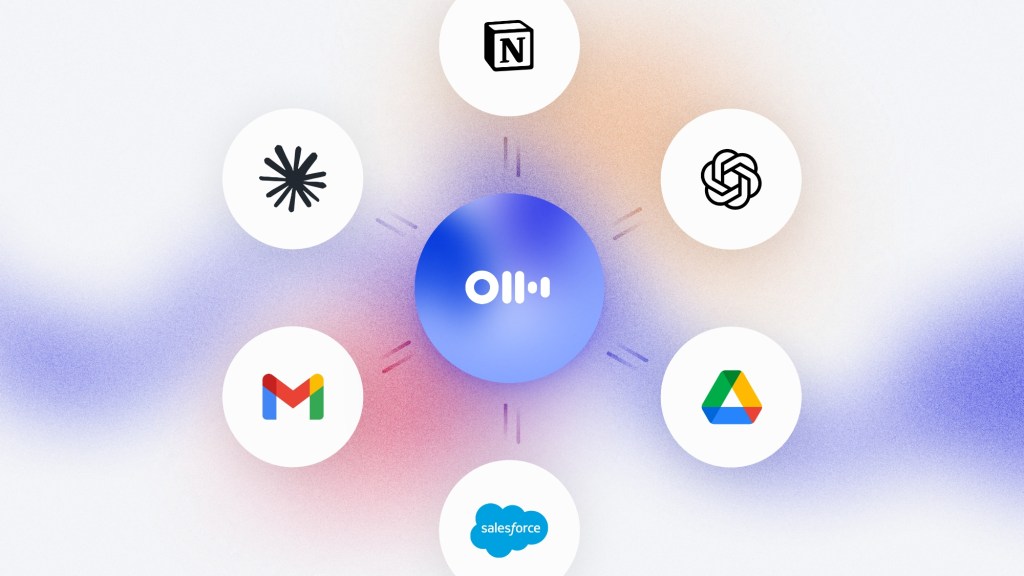
Otter Introduces Unified Search Across Multiple Enterprise Platforms
Otter has launched a unified search feature that allows users to access data from various enterprise tools including Gmail, Google Drive, Notion, Jira, and Salesforce in one place. Future updates will support additional platforms like Microsoft Outlook, Teams, SharePoint, and Slack, streamlining data querying across different services.