



Colorado Governor Rejects Bill Restricting Surveillance-Based Wage and Price Algorithms
Colorado Governor Jared Polis vetoed a bill that would have banned the use of surveillance pricing algorithms for setting wages and consumer prices, drawing criticism from consumer advocates who say he favored corporate interests. The bill was set to be the strongest U.S. law against algorithmic pricing methods, following Maryland's narrower ban in grocery stores.

South Korea's Tech Titans Drive Market Surge Amid AI Chip Boom, but Risks Loom
South Korea's Kospi market hits record highs driven by AI chip demand, with SK Hynix and Samsung joining the trillion-dollar valuation club. Despite this success, experts warn of risks from market dependency on these two giants and potential boom-bust cycles.


Uber Restricts Employee AI Expenditure After Rapid Budget Overspend
Uber initially promoted extensive AI use among employees but faced budget overruns in just four months, prompting the company to implement spending caps to manage costs effectively.

Salesforce Expands AI Capabilities with Acquisition of Berlin-Based Contentful
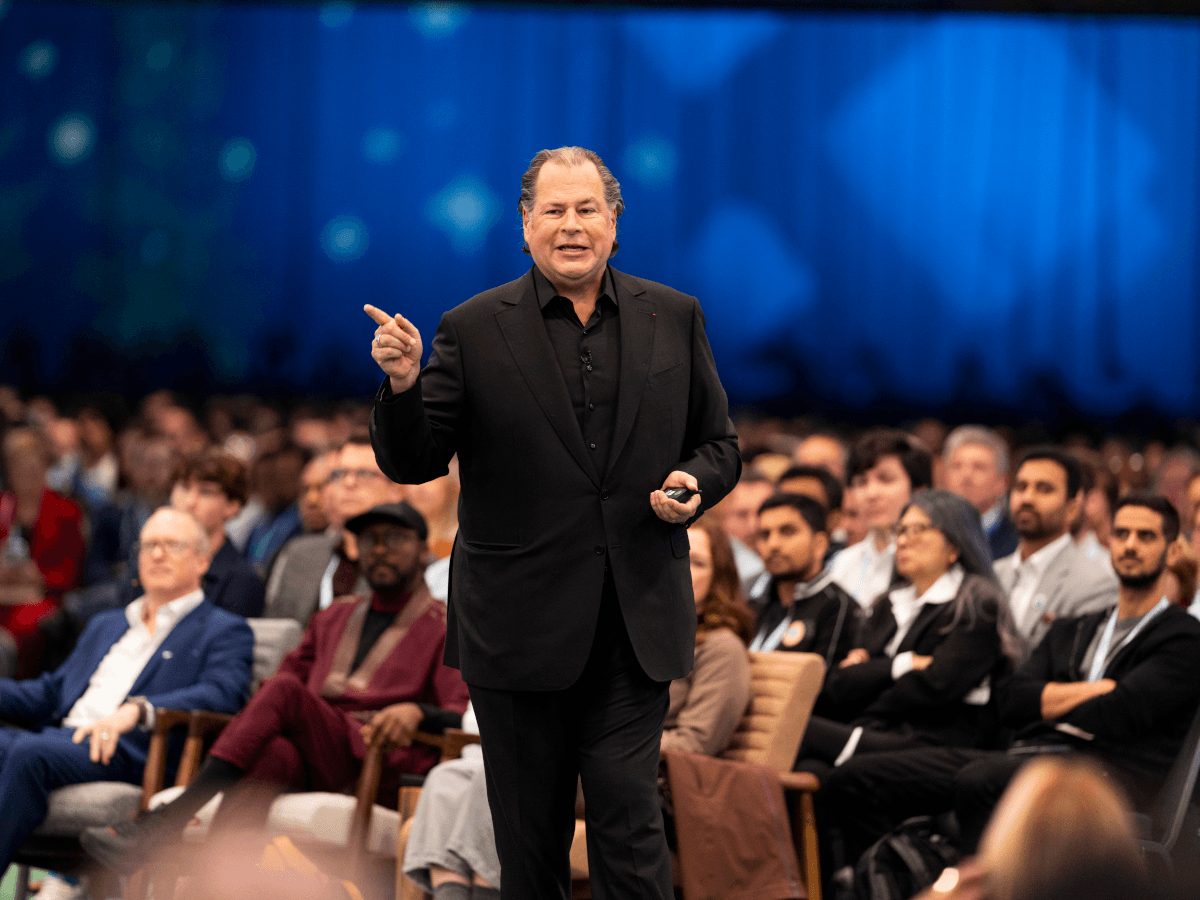
Salesforce has acquired Contentful, a Berlin-based AI platform, for between $1 billion and $1.5 billion. This acquisition aims to boost Salesforce's AI technology capabilities and expand its influence in the tech sector.

Fonoa Secures $110M Funding, Acquires PwC Tax Platform
Dublin-based Fonoa raised $110 million led by Headline with participation from Eurazeo, Forestay Capital, and existing backers. The company expanded by acquiring PwC's tax platform, enhancing its market position.


Survey Reveals AI’s Cost Savings in Big Companies Lag Behind Expectations
Bain & Co.'s survey of nearly a thousand large firms shows that AI-driven cost savings are falling well short of what executives had hoped, raising concerns about AI's current impact on business efficiency.


The Power of Trust: The True Value Behind Luxury Brands
Trust is the crucial element that distinguishes luxury brands, as products themselves are often easily copied. In the luxury sector, brand trust builds loyalty and maintains exclusivity, making it the real currency that drives consumer choice and brand value.

The Power of a No-Negotiation Salary Policy: Promoting Fair Pay while Attracting Top Talent
Implementing a strict no-negotiation policy on job offers fosters pay equity and fairness across your organization. This approach not only simplifies compensation planning but also reduces bias and disparities in pay. The key is to present this policy effectively to candidates, reassuring them of transparent and equitable pay practices, so your company remains competitive in attracting and retaining skilled professionals.


Perplexity AI Introduces Innovative Hybrid Inference System at Computex 2026
Perplexity AI unveiled a pioneering hybrid local-cloud inference system at Computex 2026, allowing real-time, autonomous routing of AI workloads between local devices and cloud servers based on task sensitivity and complexity. This innovation aims to enhance data privacy, reduce cloud reliance, and support regulated industries, marking a significant step in AI orchestration amid rising competition and legal challenges.

The Agentic Reckoning: Why Enterprise AI Needs Durable Runtime Infrastructure Over Just Smarter Models
VentureBeat’s 2026 survey reveals that enterprise AI struggles not with model intelligence but with fragile runtime infrastructures. Enterprises face failures from lost context, high costs, and complex maintenance, spending more effort on managing systems than building intelligence. Durable, stateful runtime frameworks and human-trust metrics like user acceptance are emerging as keys to scalable AI. Security practices are varied, while platform observability costs remain high. Ultimately, successful AI adoption hinges on robust runtime design and economic viability, not just smarter models.

Microsoft Addresses Enterprise AI Data Silos with Microsoft IQ and Rayfin at Build 2026
Microsoft tackles the problem of AI agent data silos in enterprises by unveiling Microsoft IQ, a unified context system merging organizational, knowledge, operational, and web data, alongside Rayfin, an open-source tool deploying AI apps into a governed data platform to prevent silo formation and enhance continuous learning. This approach positions Microsoft as a leader in simplifying and securing enterprise AI systems beyond just model availability.

Microsoft Unveils MXC: A Groundbreaking OS-Level Sandbox for Safe AI Agent Deployment
Microsoft launches Microsoft Execution Containers (MXC), an OS-integrated sandbox technology that secures AI agents by enforcing strict runtime policies. Supporting scalable isolation methods, MXC empowers enterprises to deploy autonomous AI safely, with early adoption from industry leaders like OpenAI and Nvidia, marking a major step forward in AI security infrastructure.

OpenAI Codex Enhances Enterprise AI with Interactive Workspaces and Tailored Plugins
OpenAI's updated Codex platform expands from developer-centric tools to enterprise workspace solutions with new features like interactive Sites and precise Annotations. Role-specific plugins integrate popular business apps, streamlining workflows for diverse departments. These enhancements enable non-developers to leverage AI for everyday tasks, marking Codex as a key tool for automation in the corporate sector.
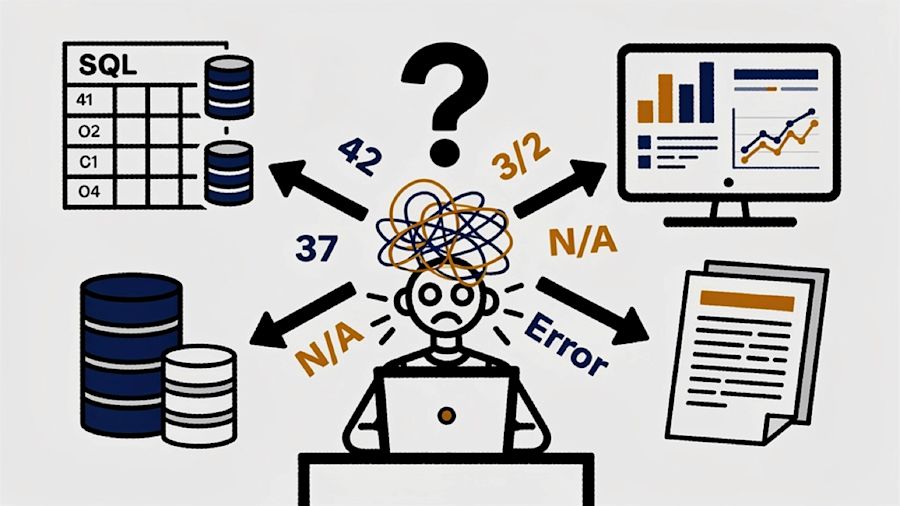
AI Agents Struggle with Consistent Answers: The Critical Role of Context Layers in Enterprise AI
Enterprise AI agents often provide confident yet inconsistent answers due to fragmented business logic across systems. Snowflake's new two-layer context system aims to unify these definitions, enhancing trustworthiness and accuracy in AI responses. The approach reflects a broader industry shift acknowledging that reliable AI depends on well-governed semantic context layers, not just model improvements.


Nespresso's Journey to Embedding Sustainability at the Core of Its Operations
Nespresso prioritizes sustainability to preserve coffee quality and future-proof its business. By improving soil health through biodiversity and supporting over 150,000 farmers with education and diversified income like beekeeping, Nespresso fosters resilient ecosystems and communities. Committed to environmental responsibility, Nespresso uses recyclable aluminum capsules and invests heavily in recycling programs to ensure their sustainability goals are met. This approach is central to the company's identity and strategy.

Driving Large-Scale Value with Generative AI: Insights from Swiss Industry Leaders
A multi-year study of 23 Swiss companies highlights that scaling generative AI successfully requires an "AI spine"—a centralized, cross-functional team integrating domain and technical expertise which enables continuous improvement and cross-unit project coordination. This approach has driven significant efficiencies and new revenue streams in banking and medical coding sectors. Unlike traditional AI structures, the AI spine is independently funded and overseen by executives, ensuring agility and strategic alignment. The model emphasizes collaboration, measurable value, and agile iteration to maximize generative AI's transformational potential.

Alphabet to Raise $80 Billion Through Stock Sale to Boost AI Investments
Alphabet is set to raise $80 billion in equity, marking the largest fundraising effort ever in order to finance extensive AI infrastructure projects. The fundraise includes a $10 billion investment from Berkshire Hathaway, underscoring the vast economic implications of the AI boom.

Mach Industries Soars to $1.8B Valuation with $300M in New Funding
Mach Industries, led by 22-year-old Ethan Thornton, has skyrocketed to a $1.8 billion valuation after raising $300 million recently. With five autonomous vehicles in development and a key acquisition completed, the defense tech firm is experiencing rapid growth and innovation.

Revolut Expands Access to Thousands of Indian Users Ahead of National Launch
Revolut is preparing for a full rollout in India, having built an advance waitlist of roughly 450,000 users, signaling strong demand for its services ahead of a broader launch.


PayPal Users Can Now Pay in China via WeChat's Extensive Merchant Network, Easing Payments for Tourists
Tencent enables PayPal users, starting with those in the US, to pay seamlessly in China using WeChat Pay’s merchant network. This integration connects a vast international user base to China's dominant payment infrastructure, simplifying transactions for tourists and travelers.