



The Revival of the Generalist in the Age of AI-Driven 'Vibe Work'
AI is reshaping the workplace by transforming generalists into vital connectors who leverage AI to handle diverse tasks effectively. They act as a trust layer by identifying AI errors and collaborating with specialists, enabling teams to work more efficiently. Success in the AI era depends on curiosity, critical thinking, and clear organizational oversight to turn AI-driven "vibe work" into dependable results.

Overcoming the Three Key Challenges in Moving AI Agents from Demonstration to Real-World Use
Transitioning AI agents from demos to real-world deployment is complex, requiring strategies around data access, workflow design, and continuous tuning. Successful implementation depends on disciplined use of data virtualization, management dashboards, and bounded use-cases with human oversight. Clear monitoring and governance ensure agents can handle tasks autonomously while adapting over time, preventing failures that often stem from fragmented data and workflow gaps.

Mastering Autonomous AI Agents: Embracing the Chaos with Confidence
Building reliable autonomous AI agents demands layered safeguards—model selection, validation, confidence checks, and observability—along with strict guardrails and evolved testing strategies. Human oversight remains essential, and organizations must navigate ownership and incident response thoughtfully. Success lies in engineering systems that fail safely and improve over time.

Luma AI Unveils Uni-1: A Groundbreaking, Cost-Effective AI Model Surpassing Google and OpenAI
Luma AI's new model, Uni-1, redefines AI image generation by integrating advanced reasoning capabilities and outperforming Google and OpenAI at a lower cost. Its unified architecture enhances creative workflows and enterprise use, marking a notable shift in the AI industry landscape.


Why Leaders Lose Influence in Critical Meetings and How to Regain It
Leadership communication in high-stakes meetings often falters because leaders rely heavily on their preferred thinking styles under pressure, unintentionally creating confusion and disengagement. Recognizing and adjusting these patterns—such as clarifying decision processes or inviting input—can build trust and help drive better outcomes when it matters most.


Larry Fink Warns AI Growth Could Exacerbate Wealth Inequality
BlackRock CEO Larry Fink warns that while AI grows rapidly, its financial benefits may be limited to a few major firms and investors, potentially increasing wealth inequality. He emphasizes AI's central role in global strategic competition and the risks that come with its swift expansion.
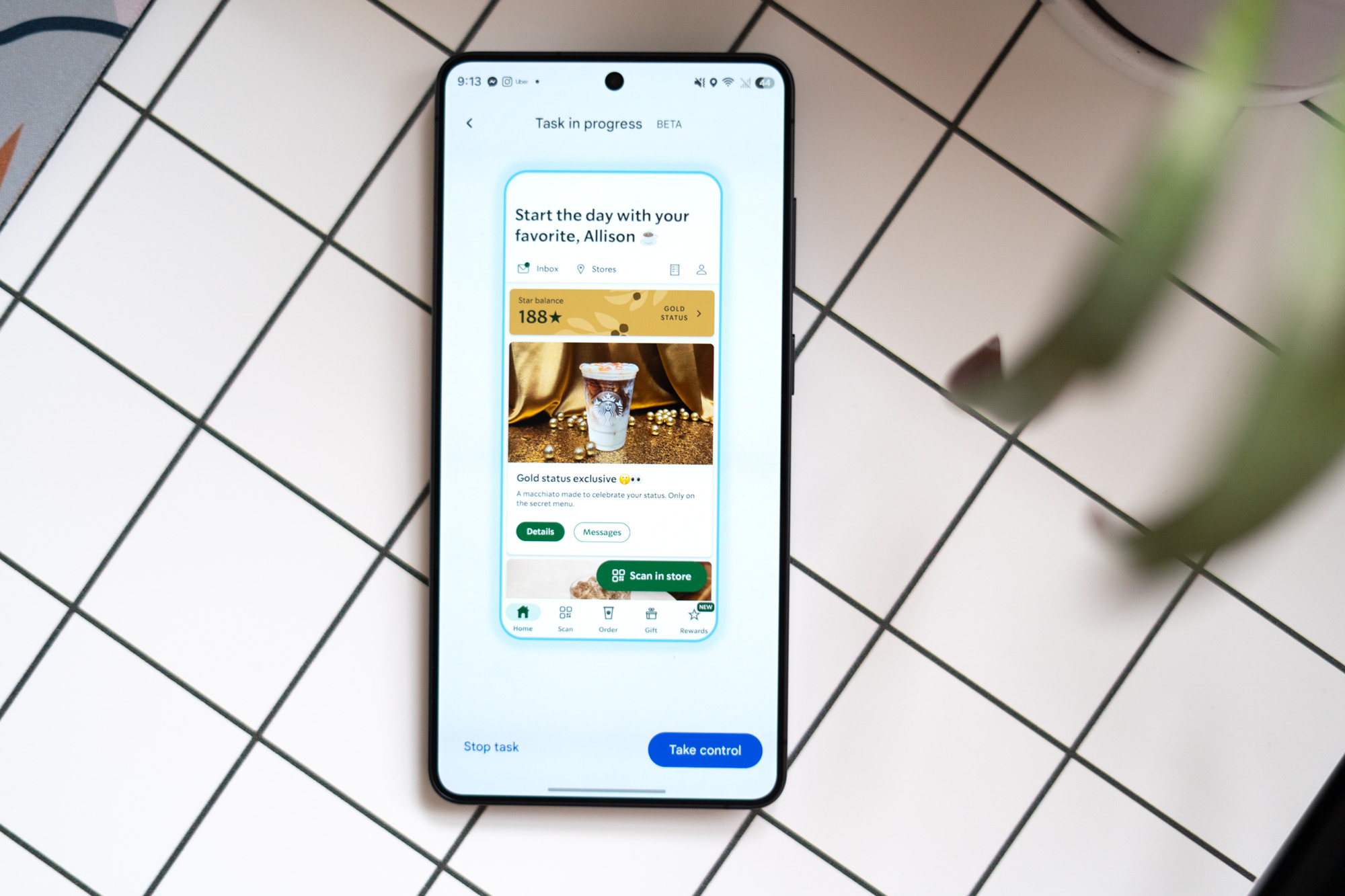

Gemini's Task Automation: Promising Yet Imperfect AI Assistant
Gemini's new task automation on Pixel 10 Pro and Galaxy S26 Ultra shows early promise by using apps for you despite being slow and limited. While still in beta and imperfect, it offers a strong preview of how AI assistants could transform mobile phone usage in the future.


The Power of Saying No: Why Turning Down the Wrong Clients Benefits Your Business
Knowing when to decline the wrong clients can be a strategic move that safeguards your business’s resources and reputation, ultimately leading to greater success and more suitable partnerships.

How to Support Your Team Through Workplace Anxiety
Effective communication and support in the workplace are crucial during times of uncertainty. By fostering an environment of safety and understanding, leaders can help reduce anxiety and strengthen team cohesion.


Addressing the U.S. Healthcare Crisis: Innovative Actions by Companies and Nonprofits Ahead of Federal Policy Reforms
The U.S. faces a worsening healthcare crisis marked by rising costs and medical debt. Nonprofits and businesses are stepping in with innovative solutions, but experts agree that significant federal policy reforms are essential. Efforts include medical debt relief, cost reduction in specialty care, and legal challenges. Advocacy and systemic change are critical to making meaningful progress.

Harnessing AI in Healthcare Marketing: Strategies, Tools, and Real-World Successes for 2026
AI is revolutionizing healthcare marketing by enhancing personalization, predictive analytics, and patient engagement while posing compliance challenges. This guide details strategies, tools, and examples from 2026 demonstrating how healthcare organizations successfully integrate AI to boost revenue and improve patient trust and outcomes.

How AI Productivity Tools Are Raising Work Expectations
AI productivity tools, initially designed to reduce workload, have paradoxically increased baseline expectations, leading to greater overall demands rather than less work.

How Minor Process Adjustments Can Lead to Major Business Success
Small, intentional process changes can have a powerful effect and generate significant results for a business. This concept highlights the value of focusing on minor adjustments that collectively drive substantial improvements.

The Power of Long-Term Thinking in Leadership During Times of Change
Leaders adopting a long-term perspective, thinking in terms of decades rather than quarters, gain a strategic advantage in managing disruptive changes effectively.

Why AI Is Replacing Traditional Cold Outreach with Smarter Engagement
Traditional cold outreach methods are becoming less effective as buyers ignore mass messages. AI-driven relationship management offers a smarter approach by fostering genuine connections and generating high-quality leads more efficiently.

The Rise of the AI-Empowered Generalist in the Era of 'Vibe Work'
AI is transforming the traditional generalist role by enabling workers to handle a wider range of tasks with the help of AI, positioning generalists as crucial trust layers who verify AI outputs and bridge expertise gaps. This shift reshapes teams, hiring, and work practices, emphasizing curiosity, critical thinking, and human judgment alongside AI use for sustainable productivity.

Navigating the Challenges of Autonomous AI Agents: Embracing Risk and Reliability
Building reliable autonomous AI agents requires more than smart models—it demands layered safeguards, rigorous testing, human oversight, and organizational clarity. Success comes from treating it as a disciplined engineering challenge: creating systems that fail safely, recover gracefully, and continuously learn while managing complex risks.


AI Startups Dominate Venture Capital Funding with Impressive Returns
Last year, AI startups secured 41% of the total $128 billion venture capital funds raised on Carta, setting a new record for annual investment share. This surge highlights the growing dominance and promising returns of AI-focused companies in the venture capital landscape.


WordPress.com Empowers AI Agents to Create and Manage Website Content
Automattic has upgraded WordPress.com to let AI agents like Claude and ChatGPT handle content creation and site management through conversational commands, ensuring human approval throughout. This change significantly simplifies the way users manage their websites by integrating AI capabilities directly with WordPress.com.

Starling Bank Introduces Advanced AI Assistant for Personal Finance Management
Starling Bank unveils Starling Assistant, a pioneering AI financial helper for personal accounts in the UK, enabling users to manage savings, bills, and spending insights via voice or text, enhancing personal finance management.